
Phoenix Auto Glass Guide
Does Insurance Cover Windshield Replacement in Phoenix
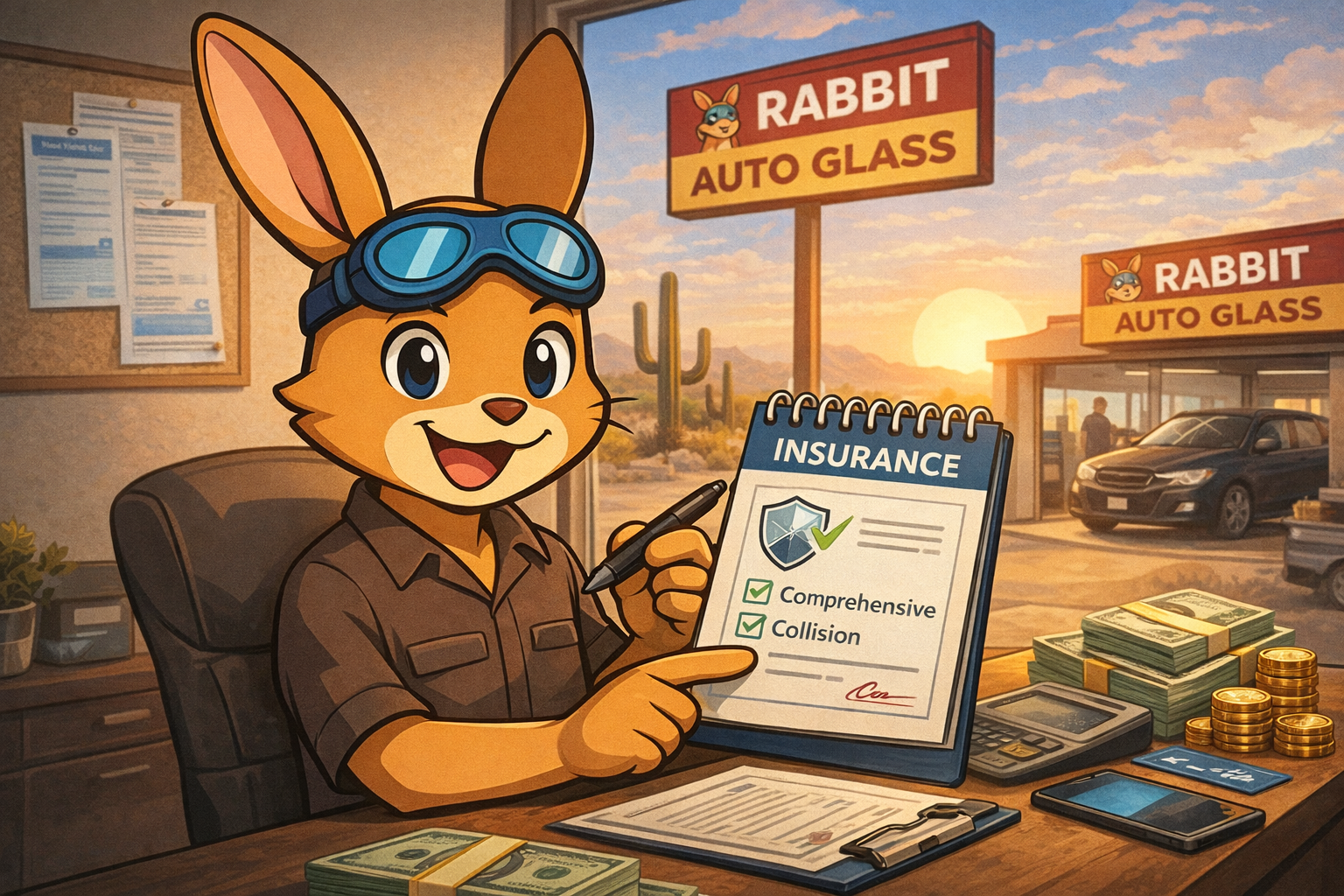
Insurance can cover windshield replacement in Phoenix when the damage comes from a covered event and you carry the right coverage. Comprehensive coverage typically applies to non collision damage like rock strikes, hail, theft, vandalism, or falling objects. Collision coverage typically applies when the windshield damage happens during a crash. Your deductible usually applies unless you have a separate full glass or safety equipment option that waives the deductible for glass only claims. File promptly, document the damage, and choose a reputable shop. Keep exploring and you’ll see exactly how to proceed ; step ; by ; step.
What Counts as Windshield Damage and When Insurance Applies
Windshield damage usually includes chips, cracks, stars, bullseyes, and edge fractures, and coverage depends on how the damage happened and what you carry on your policy. A sudden rock or road debris impact is commonly handled under comprehensive coverage because it is a non collision loss.
If the windshield damage is tied to a crash, such as hitting another vehicle or a stationary object, collision coverage is typically the claim path when that coverage is active. Intentional damage is not covered, and vandalism coverage depends on whether your comprehensive coverage is in force and what your policy language says.
Coverage can also depend on the type of damage and whether it is repairable versus structural. Some insurers may encourage repair when safe because it is faster and lower cost, but replacement is appropriate when cracks spread, damage reaches an edge, or visibility and structural integrity are compromised.
Always confirm your declarations page and policy language for limits, exclusions, and any glass specific options. If you are unsure, ask your insurer whether your loss is being processed as comprehensive, collision, or as a glass only claim under a glass option.
Comprehensive vs. Collision: Which Covers Windshield Replacement
Comprehensive coverage generally applies when the windshield is damaged by something other than a collision, like rocks, hail, windborne debris, theft, vandalism, or falling objects. In these cases, the insurer typically does not require proving fault for the loss.
Collision coverage generally applies when the windshield damage occurs during a crash with another vehicle or with an object, regardless of fault. If the windshield is broken during an accident repair, collision is often the coverage that responds.
The right choice usually comes down to the cause of loss and which coverages are active on the policy on the date of damage. When in doubt, describe the event clearly and ask the insurer which coverage they will apply, and what deductible will be used.
How Deductibles Affect Your Windshield Claim in Arizona
Your deductible is the amount you pay before the insurer pays eligible costs on a covered claim. With standard comprehensive or collision coverage, you usually pay the deductible that applies to that coverage.
If the repair or replacement cost is below your deductible, the insurer may pay nothing and you cover the full amount. If the cost exceeds the deductible, the insurer typically pays the remaining eligible amount after the deductible is met.
Arizona is unique because insurers that write private passenger auto insurance with comprehensive coverage must provide, at the option of the insured, complete coverage for repair or replacement of damaged safety equipment, including windshield glass, without regard to any deductible. This is commonly offered as a full glass or safety equipment option, and it is not automatically included in every policy, you must elect it if you want zero deductible glass only coverage.
Always verify whether you have this option on your policy, and confirm whether calibration, moldings, and related parts are included under the claim approval and estimate.
Steps to File a Windshield Claim in Phoenix and What to Expect
Start by gathering your policy information, vehicle details, and a brief description of when and how the damage occurred. Take clear photos from inside and outside, and note the date, time window, and location if you can.
Report the loss to your insurer through their app, website, or phone line. Ask what coverage is being applied, what deductible will be used, and whether your policy includes the optional full glass or safety equipment coverage for zero deductible glass only claims.
Follow the insurer’s instructions for inspection or estimate review. Some claims use photos, some schedule an adjuster, and some rely on a shop estimate within program guidelines.
Confirm whether your vehicle needs ADAS calibration and whether it is approved as part of the claim. Keep a simple record of names, dates, and reference numbers, and respond quickly to any requests for additional documentation.
Choosing a Repair Shop and Resources to Minimize Cost
Choose a shop that is transparent about glass type, installation process, and warranty terms. Ask whether they handle insurance billing, whether they include required calibration when applicable, and whether their estimate itemizes parts and labor clearly.
If your insurer has a network, you can compare a network shop and a non network shop, then choose the option that fits your needs. Network pricing can reduce friction, but you should still confirm glass quality, warranty coverage, and what is included in the estimate.
To minimize out of pocket costs, verify deductible amount, verify whether you elected full glass or safety equipment coverage, and confirm what is approved before work starts. Avoid any offer that asks you to misstate the date of damage or change facts to obtain coverage.
After completion, review the invoice, keep your warranty documentation, and test for leaks, wind noise, and visual distortion. If anything looks off, contact the shop immediately so it can be corrected while documentation is fresh.
Frequently Asked Questions
A windshield claim is usually not treated like a moving violation, so it typically does not add points or show up as a ticket on a driving record. However, it is still a claim, and some insurers may factor claim frequency or overall loss history into pricing or renewal decisions. Ask your insurer how they treat glass only claims under your policy.
Yes. Policies differ on deductibles, whether full glass or safety equipment coverage is offered, whether glass only claims are handled through a program, and what parts and services are included. Always compare declarations pages and endorsements, not just the headline premium.
Arizona requires insurers that write policies with comprehensive coverage to provide, at your option, full coverage for repair or replacement of damaged safety equipment, including windshield glass, without regard to any deductible. In practice, approvals still follow insurer claim procedures, so you should confirm coverage type, deductible, estimate requirements, and any calibration needs before work begins.
They can. Rental reimbursement is a separate coverage on many policies, and it may have daily limits and a maximum number of days. If your vehicle needs calibration or parts are delayed, ask your insurer how rental coverage applies and whether pre authorization is required.
Often yes, but it depends on policy language and claim guidelines. Some policies specify aftermarket or equivalent parts, while others allow OEM under certain conditions or endorsements. Confirm glass type, warranty, and calibration compatibility before approving the work.