Phoenix and Tucson Auto Glass Safety
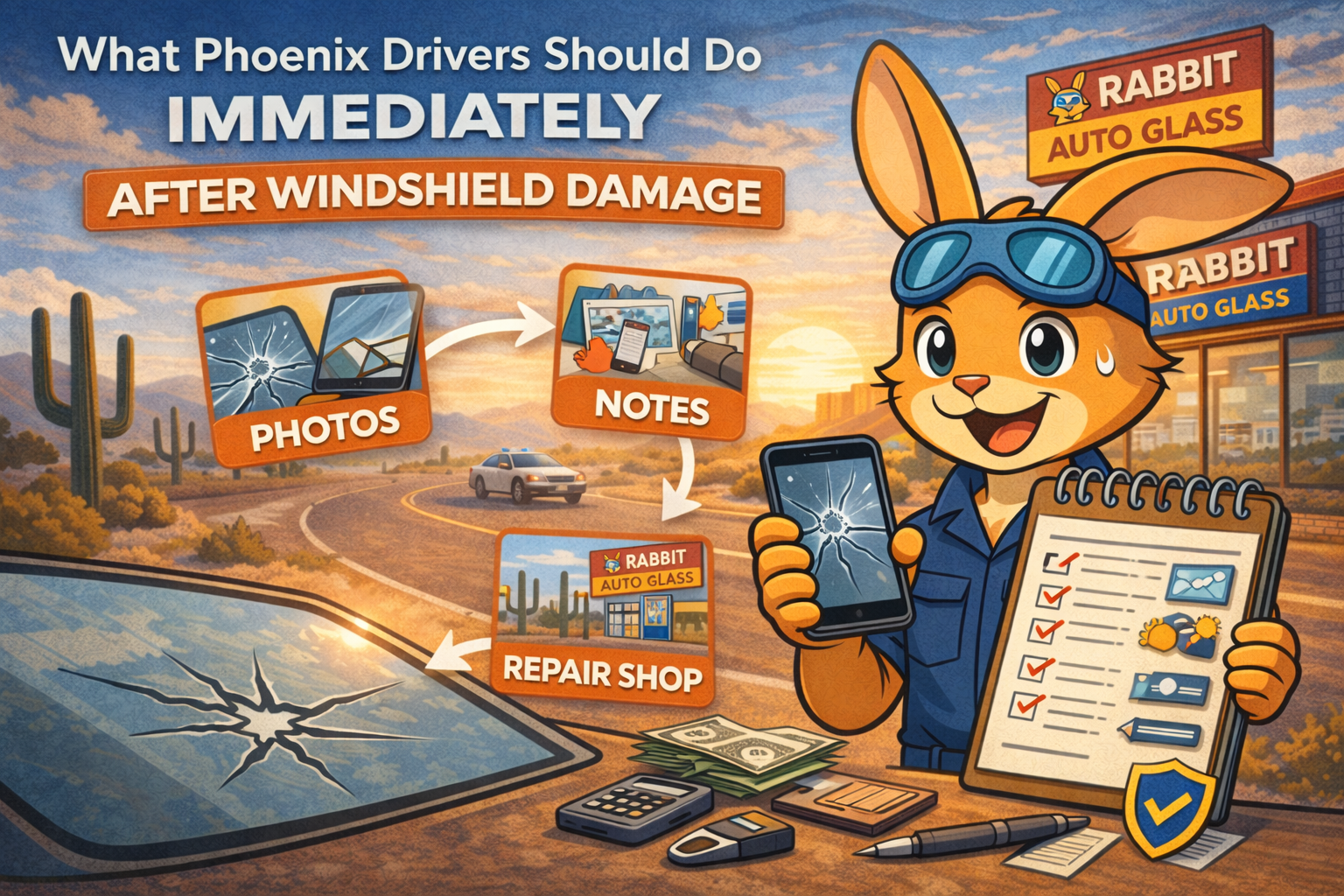
What Phoenix Drivers Should Do Immediately After Windshield Damage
What you do in the first moments after damage appears can affect safety, repair eligibility, and long term costs. Arizona heat accelerates crack spread, so fast and informed action matters. At Rabbit Auto Glass of Phoenix and Tucson, we see every type of windshield damage caused by road debris, extreme heat, and sudden impacts. Below, we explain the exact steps drivers should take right away to protect visibility, stay compliant with Arizona law, and preserve repair options.
Quickly Assess Windshield Damage On The Spot
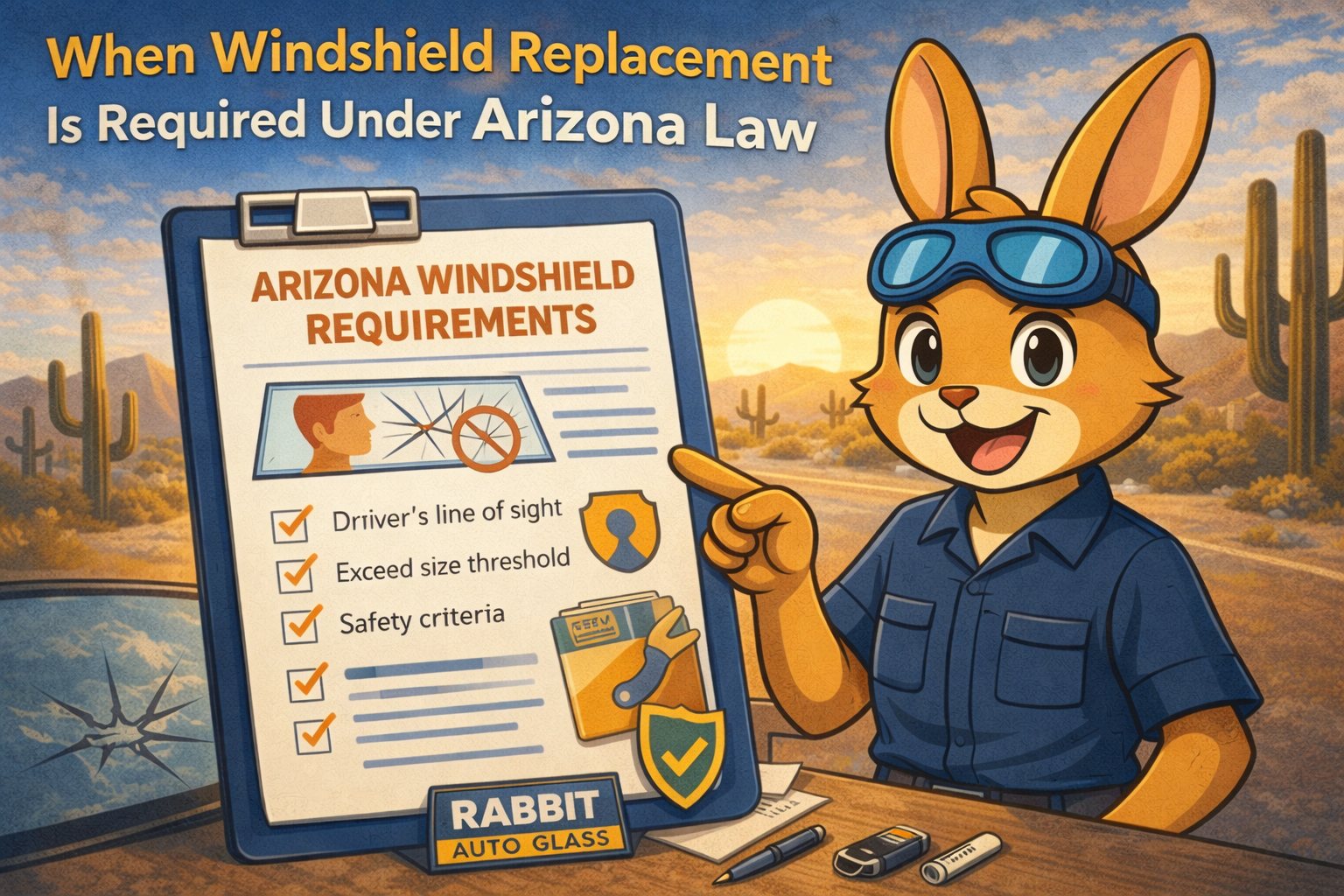
The first priority after windshield damage is safety. We visually inspect the glass for cracks, chips, or spreading patterns and determine whether visibility is affected. Damage in the driver’s central field of vision or near the edges increases risk and should be treated as urgent.
Arizona law requires drivers to maintain clear visibility. The Arizona Department of Transportation emphasizes that any obstruction affecting safe operation can make a vehicle unsafe to drive. If visibility is compromised, continuing to drive may create liability.
Source, Arizona Department of Transportation vehicle safety guidance
Documenting Damage With Photos And Notes
After confirming immediate safety, we document the damage thoroughly. Take clear photos from multiple angles, including wide shots and close ups that show crack length and chip shape. Good lighting helps preserve detail for repair evaluation and insurance review.
Record the date, time, location, and weather conditions. Arizona monsoon debris and heat related stress are common contributors, and documenting conditions helps explain cause. Note any unusual symptoms such as vibration, wind noise, or water intrusion.
Proper documentation supports faster claim handling and reduces disputes later in the process.
Choosing A Phoenix Or Tucson Repair Shop
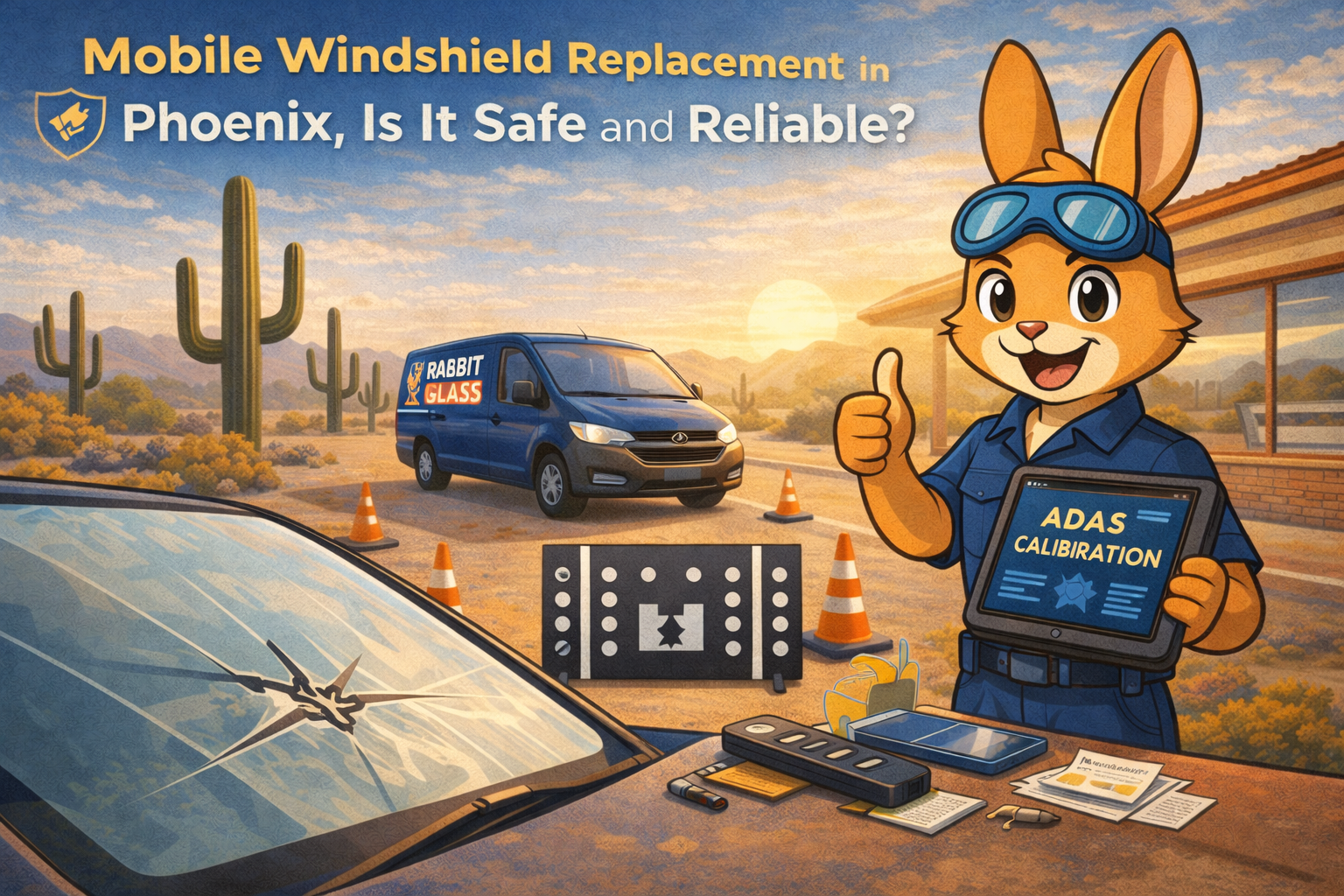
Selecting the right repair shop matters, especially in high heat regions. We recommend choosing a shop that offers mobile service, same day availability, and clear warranties on workmanship.
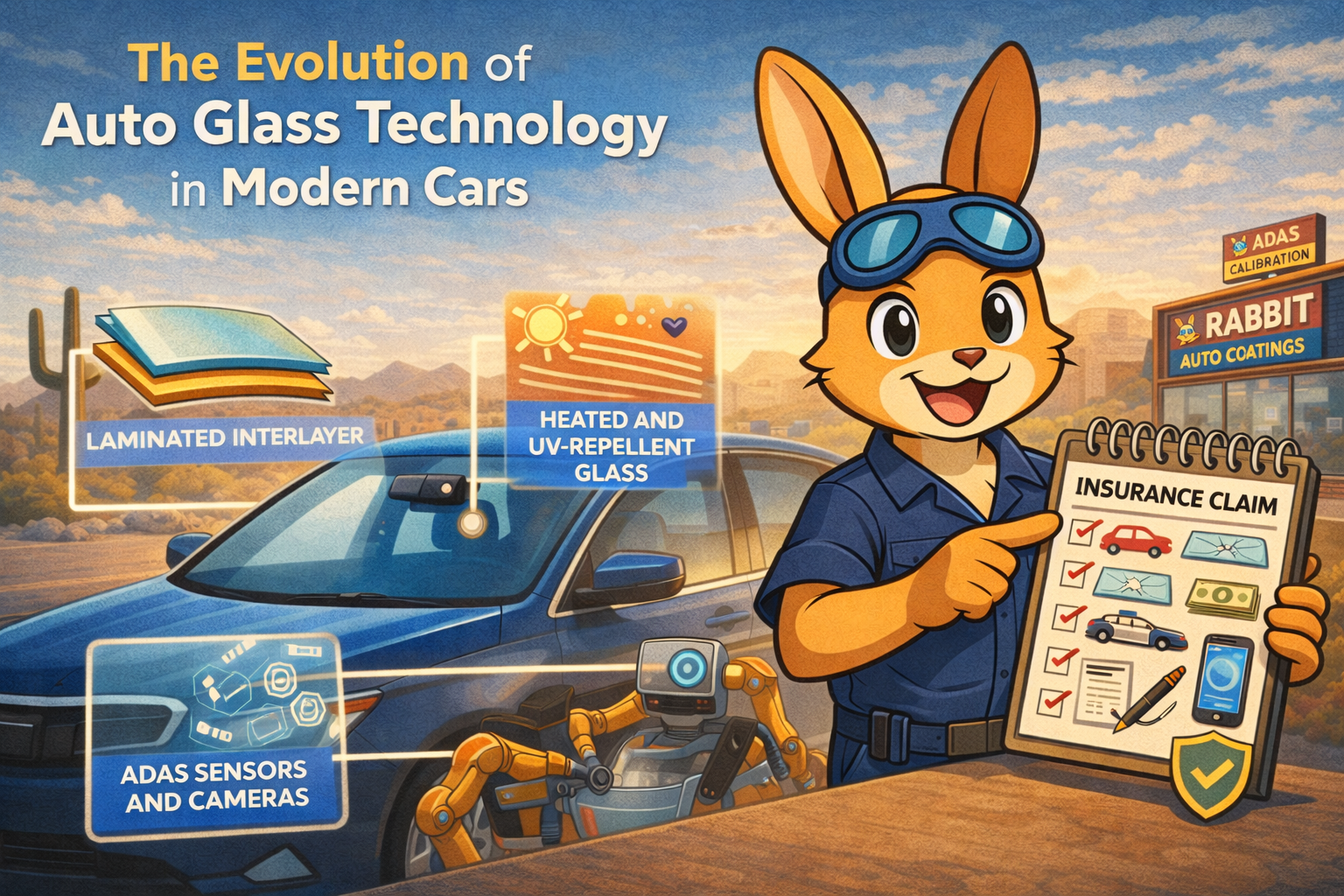
Ask for itemized estimates that list glass type, labor, and any required camera or sensor calibration. Modern vehicles rely on windshield mounted safety systems, and calibration accuracy is critical after replacement.
The Arizona Attorney General’s Office advises consumers to verify repair credentials and obtain written estimates before authorizing work.
Source, Arizona Attorney General consumer auto repair guidance
Navigating Insurance Claims In Arizona
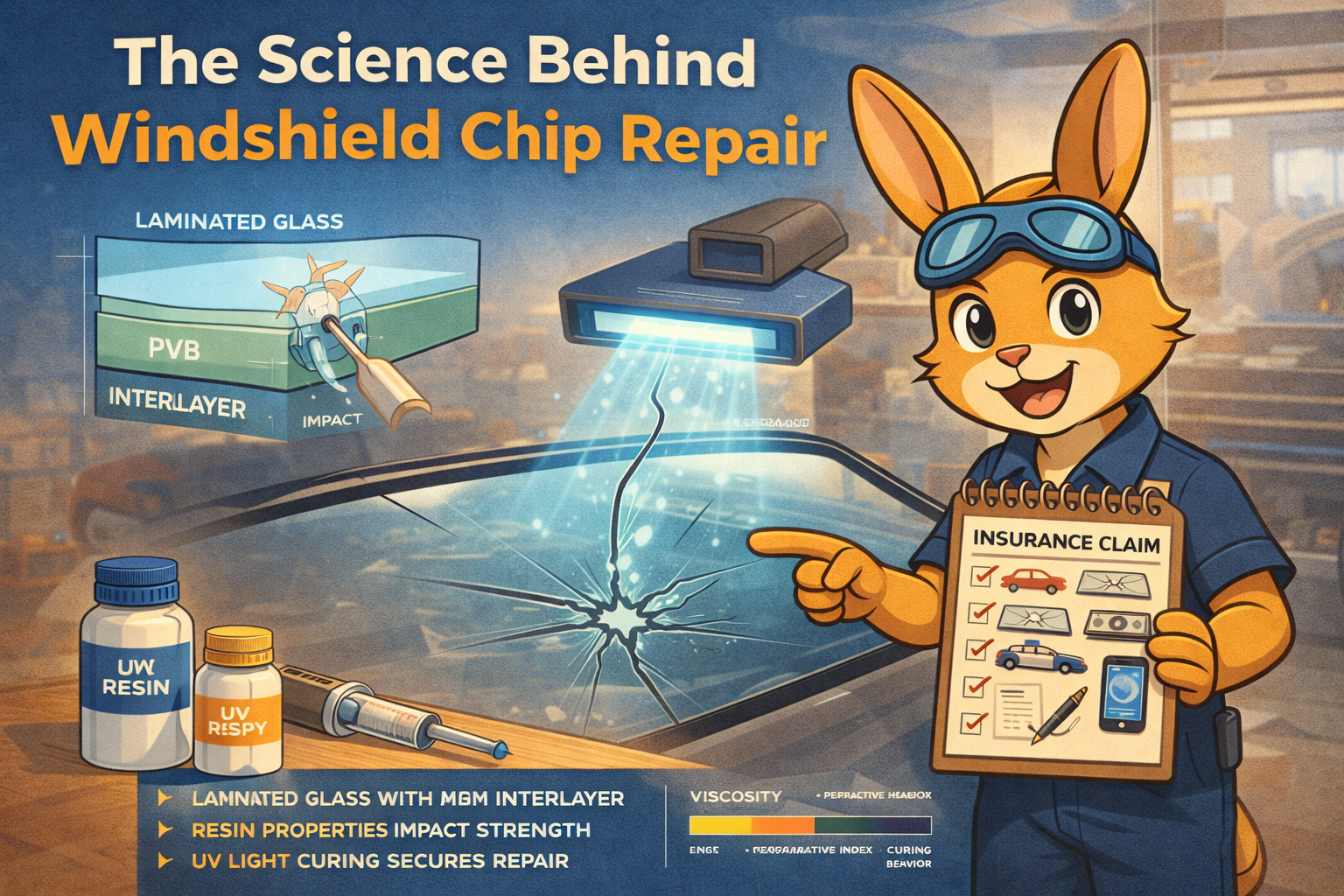
Contact your insurance provider as soon as damage is documented. Provide photos, estimates, and vehicle details to open a claim. Arizona allows drivers to choose their repair shop, even if insurers recommend preferred networks.
Review your policy for glass coverage, deductibles, and any applicable waivers. Some policies treat windshield damage under comprehensive coverage rather than collision.
The Arizona Department of Insurance provides resources that explain claim rights and insurer obligations.
Aftercare To Prevent Further Damage
After repair or replacement, proper aftercare reduces the risk of repeat damage. Avoid extreme temperature changes immediately after service and follow safe drive away instructions from your installer.
Park in shaded areas when possible, keep wiper blades in good condition, and avoid harsh chemicals near windshield edges. Early reporting of any changes helps protect warranty coverage.
Frequently Asked Questions
If damage affects visibility or is near the edge, driving should stop immediately. Heat can cause rapid crack expansion, so evaluation within one to two days is recommended.
No. Delays often turn repairable chips into full replacements, increasing cost and safety risk.
Yes. Damage or improper replacement can affect camera and sensor alignment. Calibration verification is essential after replacement.
No. Arizona drivers have the right to choose their repair shop, even when insurers suggest preferred providers.
Aftermarket glass can be safe if it meets equivalent standards and is installed correctly. Quality varies, so documentation and certification matter.