
Auto Glass Technology Guide
The Evolution of Auto Glass Technology in Modern Cars
At Rabbit Auto Glass of Phoenix and Tucson, we see firsthand how auto glass has evolved from simple safety panes into highly engineered, sensor integrated systems. Modern windshields now play a direct role in crash protection, visibility, climate control, and advanced driver assistance. Laminated structures, smart coatings, and embedded sensors have transformed glass into a structural and informational component of the vehicle. Below, we explain how these changes improve safety, how materials have advanced, and what drivers should know when choosing modern auto glass.
How Auto Glass Keeps Drivers Safe and Visible
Auto glass is a structural safety component, not just a transparent barrier. Modern windshields are engineered to preserve visibility while supporting vehicle integrity during collisions. Laminated glass holds together on impact, reducing occupant injury and maintaining cabin structure.
According to guidance from the National Highway Traffic Safety Administration, properly bonded windshields help support roof strength and ensure correct airbag deployment. Optical precision and curvature reduce distortion and glare, improving hazard detection and reaction time.
Source, National Highway Traffic Safety Administration on vehicle glazing
From Laminates to Heat Treated Glass, Core Materials in Today’s Windshields
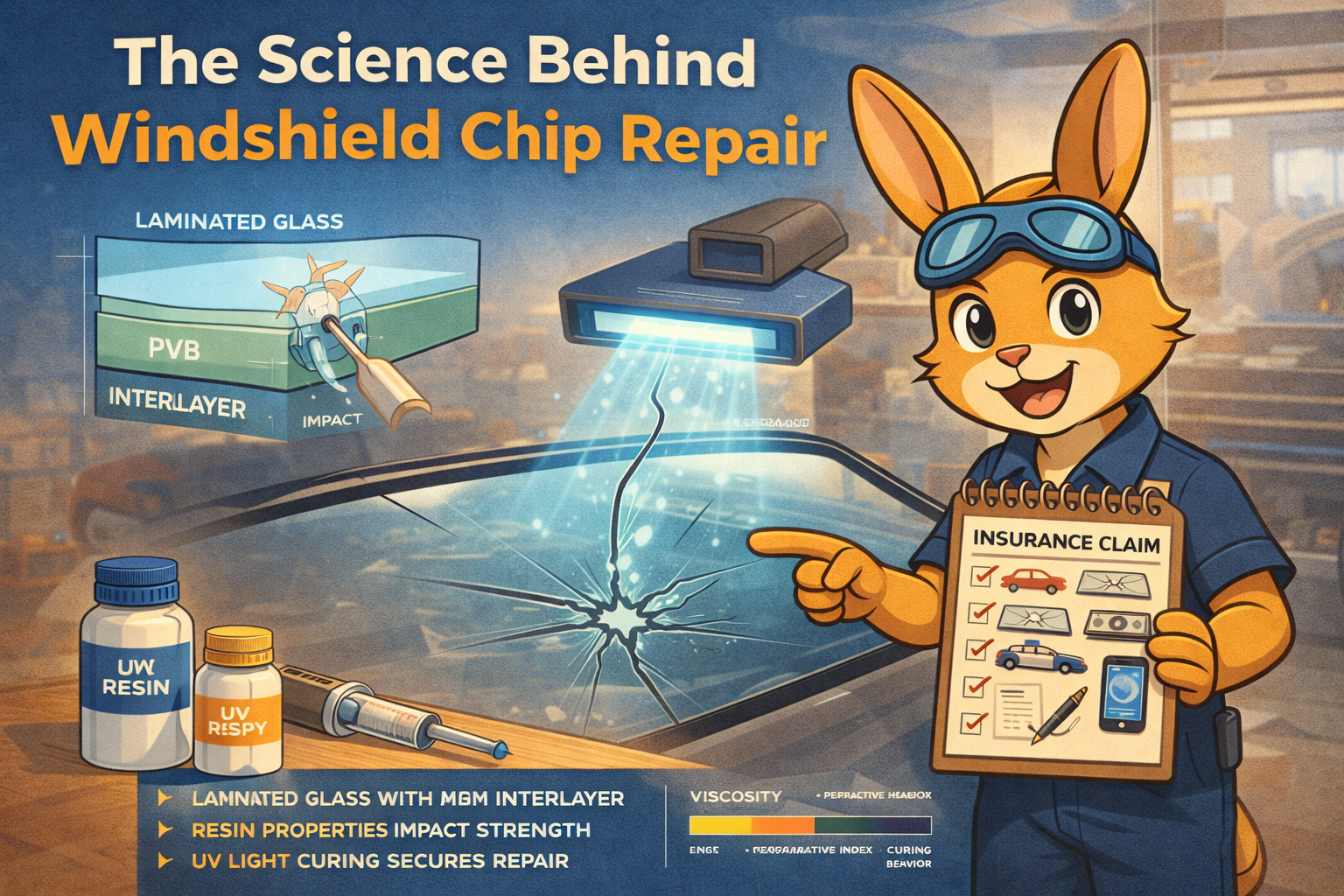
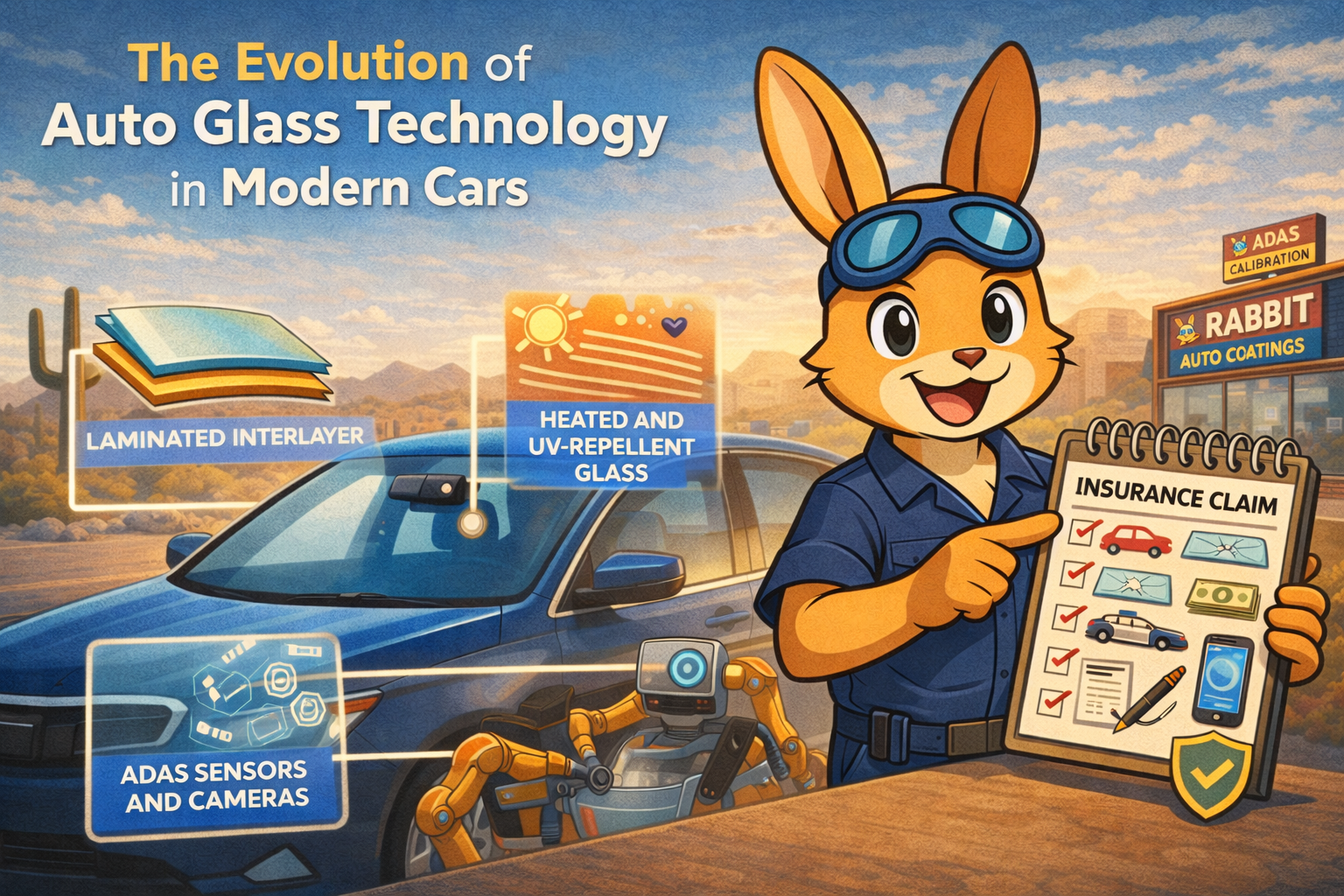
Modern windshields rely on laminated construction that sandwiches an interlayer between two glass sheets. The most common interlayer materials include polyvinyl butyral and ionomer films, which hold glass fragments together after impact and filter ultraviolet radiation.
Heat treated and tempered glass is used more often in side and rear windows, where controlled breakage into small fragments reduces injury risk. Windshields remain laminated to prevent ejection and maintain structural support.
The Arizona Department of Transportation recognizes laminated windshield glass as a required safety feature for passenger vehicles operating on public roads.
Source, Arizona Department of Transportation vehicle safety standards
Embedded Sensors, Coatings, and Smart Glass Technologies
Today’s windshields frequently integrate cameras, rain sensors, and forward facing safety systems. These components support lane keeping assistance, collision warnings, and automatic braking.
Advanced coatings improve water repellency, reduce glare, and block ultraviolet and infrared energy. In Arizona climates, heat and ultraviolet protection help preserve interior materials and improve driver comfort.
Local reporting from Arizona Public Media has highlighted how advanced driver assistance systems rely on precise windshield alignment and calibration. Improper glass replacement can disrupt these systems.
Safety Standards, Manufacturing Advances, and Weight Reduction
Federal motor vehicle safety standards govern glass strength, retention, and impact resistance. Manufacturers now use automated inspection, tighter tolerances, and traceability systems to meet these requirements consistently.
Weight reduction remains a design goal, but not at the expense of safety. Thinner glass paired with stronger interlayers allows vehicles to reduce mass while maintaining crash performance.
These advances also influence repairability, encouraging designs that support safe replacement and recalibration rather than full system redesign.
How to Choose Modern Auto Glass for Your Vehicle
Choosing modern auto glass starts with understanding your vehicle’s safety systems. If your car uses cameras or sensors mounted to the windshield, proper glass type and calibration are essential.
We advise confirming that replacement glass meets federal safety standards and manufacturer specifications. Ultraviolet and infrared protection are especially valuable in Phoenix and Tucson climates.
OEM and high quality aftermarket options can both be appropriate, but certification, fit accuracy, and installation quality determine real world safety. At Rabbit Auto Glass of Phoenix and Tucson, we help drivers select glass that balances safety, performance, and long term reliability.
Frequently Asked Questions
Windshield glass is processed through specialized recycling that separates glass from interlayers. The recovered material is reused in glass products and construction materials.
Advances in interlayer strength allow thinner glass without sacrificing safety, reducing vehicle weight and improving efficiency.
Only vehicles equipped with windshield mounted cameras or sensors require calibration, but many modern cars fall into this category.
Certified aftermarket glass can meet federal safety standards, but fit accuracy and installation quality are critical to performance.