
Phoenix Auto Glass Guide
DIY Windshield Chip Repair Kits vs Professional Repair in Phoenix
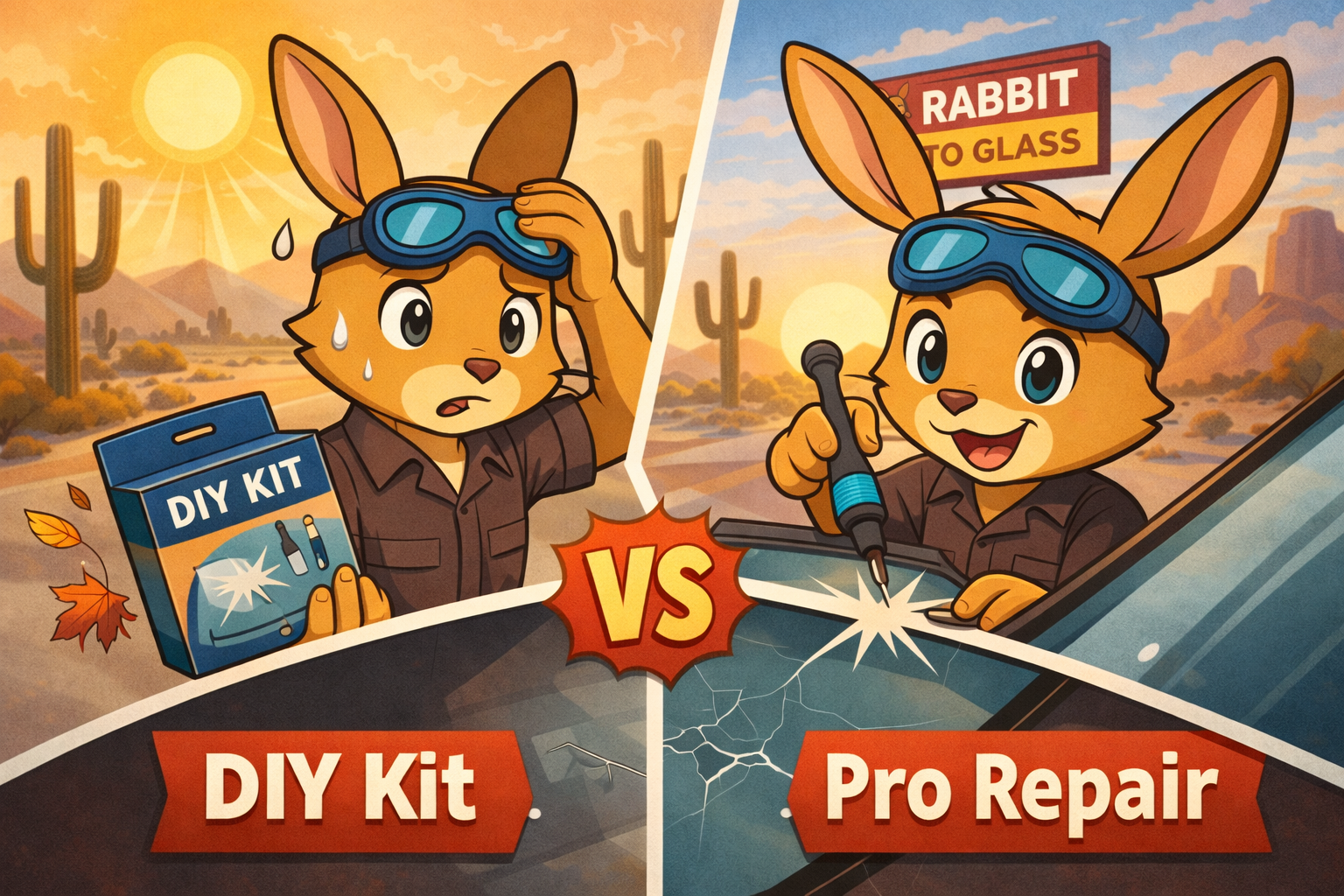
We’ve compared DIY windshield chip kits with professional repairs for Phoenix drivers. DIY kits can help with tiny, well-defined chips when you can control heat and keep the glass clean, but desert sun, road dust, and thermal cycling make larger or deeper damage a better fit for professional service. Professionals provide trained assessment, appropriate resins and tools, and workmanship warranties that are better suited to Phoenix conditions. Safety and visibility, damage location, and long-term risk drive the choice. If you want clearer guidance, you’ll uncover more next.
What DIY Vs Pro Windshield Repair Entails in Phoenix
DIY windshield repair in Phoenix can be quick and cost-effective, but the approach differs between DIY kits and professional service. We compare scope, tools, and outcomes for each option. DIY kits typically include a resin injector, curing strip or film, and a curing step that may rely on sunlight or a small light. Results vary because chip shape, contamination, and temperature control matter.
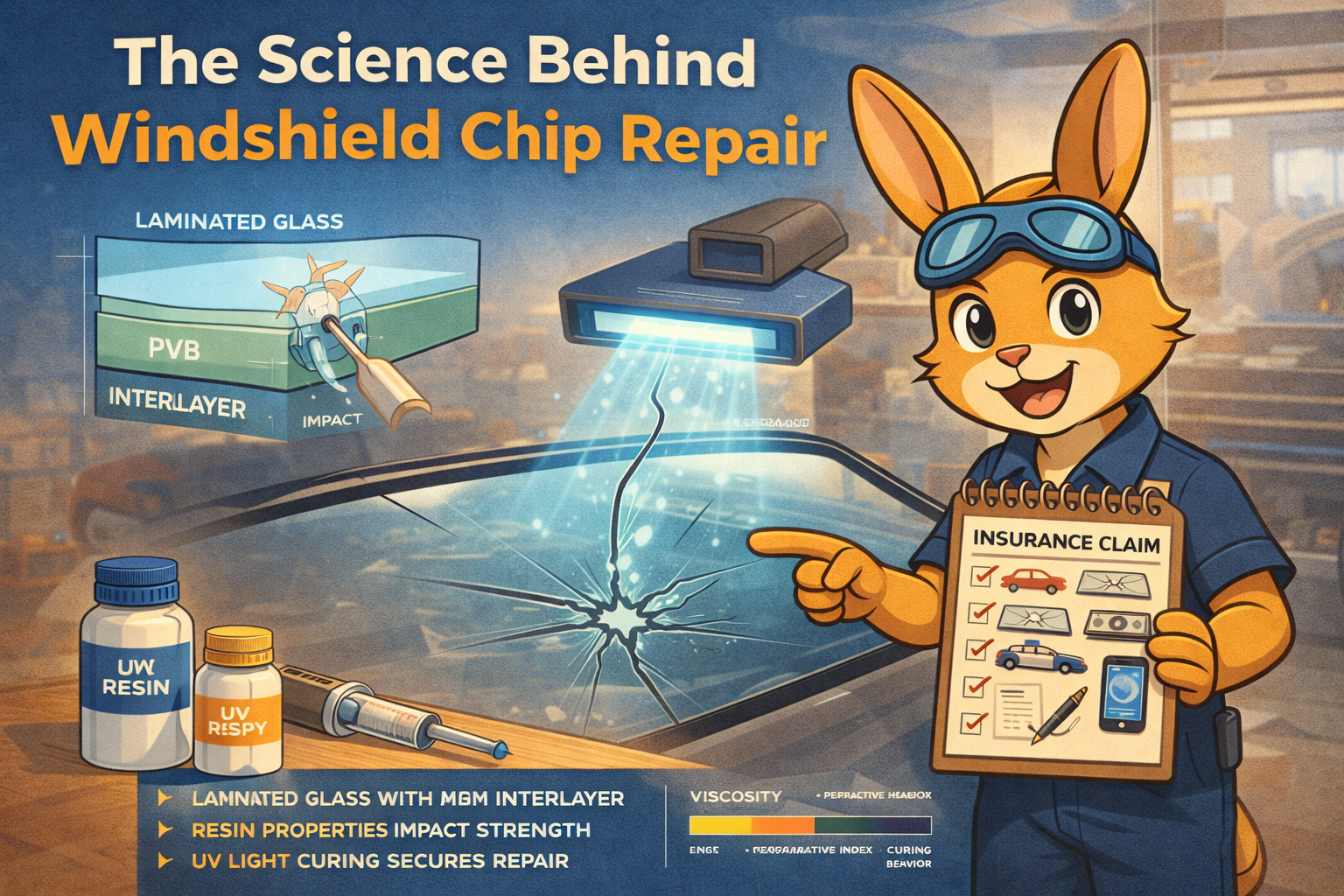
DIY kits work best on small surface chips and simple breaks; deeper breaks, star patterns, or damage that has spread can exceed kit capabilities. In a professional setting, technicians inspect the damage, confirm repairability, and use purpose-built tools to improve resin penetration and curing control to restore strength and maintain visibility.
Cost depends on chip size, location, and how much risk you are willing to accept. DIY is usually cheaper up front, but professional repair is more predictable for complex damage and may include a workmanship warranty. Choice depends on severity, desired durability, and the value you place on long-term windshield integrity.
When a DIY Kit Can Fix a Tiny Chip in the Desert Heat
In the desert heat, a tiny chip can be repairable with a DIY kit if the damage is fresh, small, and not spreading. We assess feasibility by chip size and environmental control, not by appearance alone. The goal is to keep the break clean and dry, then fill it completely so air pockets do not remain trapped.
DIY success hinges on a consistent cure path; clean the area carefully, keep the windshield shaded if possible, follow the kit instructions for resin dosing, and avoid rushing the cure step. Heat can shorten working time and increase the chance of premature curing, so working in a shaded area or cooler part of the day improves consistency.
If the chip shows spidering, sits near an edge, falls in the driver’s primary viewing area, or has any visible crack growth, professional assessment is the safer option. Moisture ingress, dirt contamination, and widening lines after the attempt are signs the repair may not hold.
Why Phoenix’s Climate and Roads Push You Toward a Pro Repair
Phoenix heat and road conditions can amplify small defects into larger cracks. High temperatures and direct sun can increase stress on damaged glass, and road vibration can accelerate crack growth, especially if the break is near an edge or already spreading.
DIY kits can improve small chips, but they often struggle to restore strength when damage is complex or contaminated. A professional repair improves predictability through inspection, controlled resin injection, and consistent curing practices that reduce haze and incomplete fill. For some damage types, replacement may be the only safe option.
When you compare cost, include the risk of a failed DIY attempt that makes later repair harder, the possibility of needing replacement sooner, and the value of a workmanship warranty. In Phoenix conditions, professional service often provides better long-term reliability for anything beyond a tiny, simple chip.
How to Evaluate a Windshield Repair Shop in the Valley
To choose a windshield repair shop in the Valley, start with credentials and process clarity. Ask about technician training, whether they follow the Auto Glass Safety Council standard and manufacturer guidance, and how they document repairability and results.
Evaluate the shop’s workflow; how they inspect the damage, how they keep the break clean and dry, what resins and tools they use, and what you should expect for appearance. Request an itemized quote, a realistic timeline, and clear aftercare instructions.
Reviews can help, but prioritize patterns about communication, workmanship consistency, and how issues are resolved. Also confirm warranty terms; what is covered, how long it lasts, and what conditions apply. A shop that provides clear documentation and stands behind its work is more likely to deliver durable results.
A Practical Decision Framework; DIY Steps or Professional Service?
Choosing between DIY steps and professional service comes down to balancing cost, risk, and reliability. Use this framework for Phoenix conditions; assess size and pattern, note location, check for spreading, and consider whether you can keep the repair area clean, dry, and shaded during the process.
DIY may be reasonable for a minor, isolated chip that is small, not near an edge, not in the driver’s primary viewing area, and not showing cracks. Professional repair is the better choice for larger chips, star breaks, spidering, edge proximity, any crack growth, or any damage that affects visibility.
If you are unsure, get an inspection first. A quick evaluation can prevent a small repairable chip from becoming a full replacement, especially during peak heat and heavy driving seasons.
Frequently Asked Questions
Hidden costs can include a failed attempt that prevents a later professional repair, repeat purchases of kits, and the need for earlier windshield replacement if the chip spreads. There can also be indirect costs; lost time, reduced visibility if haze remains, and the hassle of additional appointments.
A DIY repair itself does not involve your insurer because no claim is filed. Premium impact depends on your policy and claim history, and insurers vary by company and state rules. If you are considering filing a glass claim, check your policy terms and ask your insurer how windshield claims are handled for your coverage.
They can. Some warranties and shop guarantees may exclude damage that was previously repaired by a non-certified method or altered with an aftermarket kit. Review your paperwork and keep documentation of the damage and repair attempt, then ask the warranty provider what is covered before you proceed.
It can be unsafe if there is any crack growth, edge damage, distortion that affects visibility, or damage in the driver’s primary viewing area. If the break is spreading, reaches the edge, or reduces visibility in sun or headlights, get a professional inspection and do not rely on a DIY fix alone.
Arizona and local enforcement focus on safe vehicle operation and unobstructed driver visibility. While specific rules can vary by situation, the practical standard is simple; if damage obstructs the driver’s view or compromises safety, repair may not be sufficient and replacement may be required. If you are concerned about a specific citation or inspection requirement, confirm with local guidance and a qualified shop.