
Phoenix Auto Glass Guide
Why Immediate Chip Repair Matters More in Phoenix Than Cooler Cities
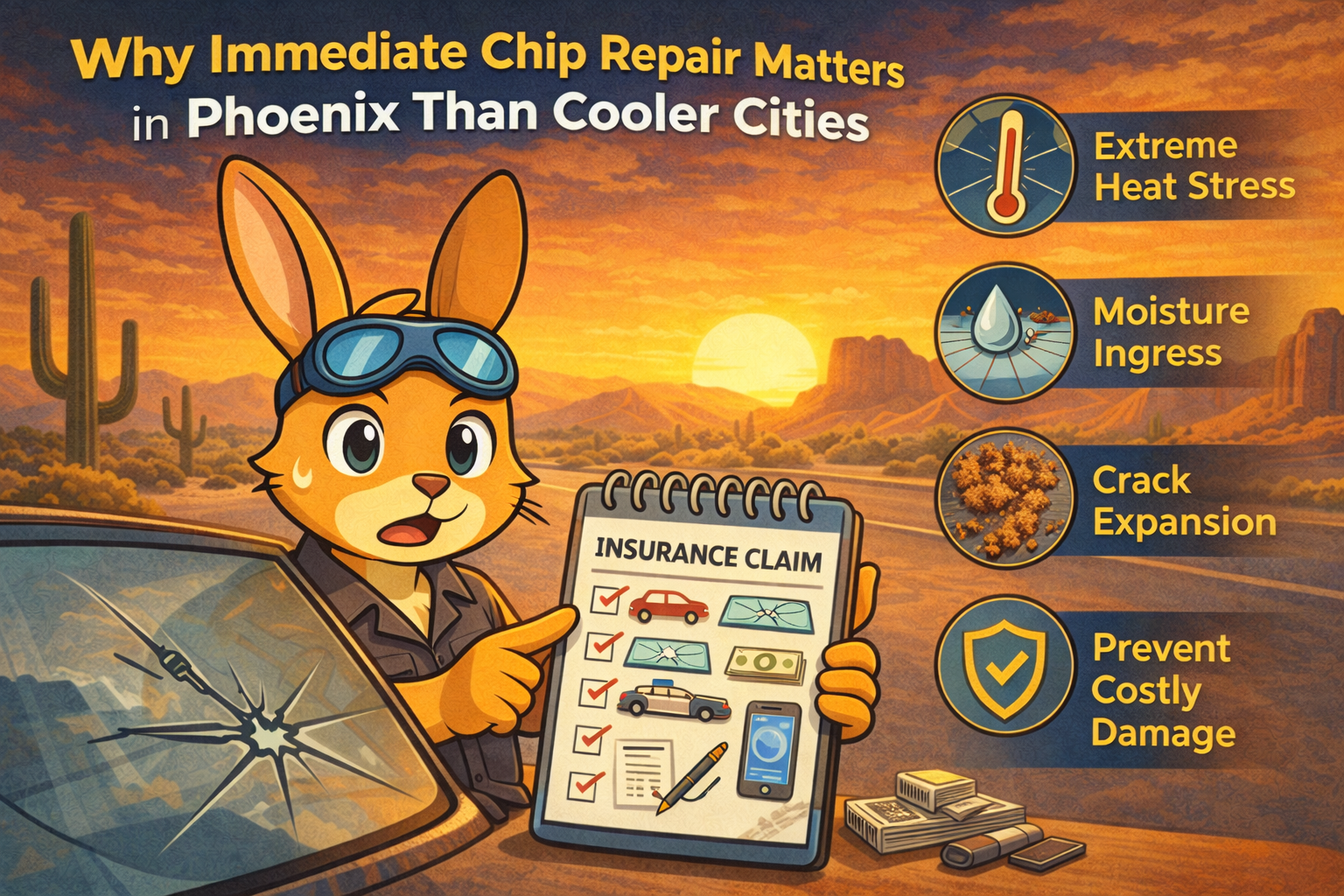
In Phoenix, a small windshield chip can turn into a spreading crack faster than many drivers expect. Extreme heat and rapid temperature changes stress the glass, especially when a chip already exists. At Rabbit Auto Glass of Phoenix, we recommend quick action because early repair can preserve strength, protect visibility, and help you avoid a full replacement. Below, we explain why Phoenix is tougher on windshields, what immediate repair prevents, and what to do step by step.
Why Phoenix Accelerates Windshield Chip Damage Compared to Cooler Cities
Phoenix heat makes glass expand, and cooler nights or blasting air conditioning can contract it quickly. That repeated expansion and contraction adds stress around a chip, and it can help a small impact point grow into a longer crack.
Local reporting has shown how extreme Phoenix conditions can push vehicle temperatures far beyond the air temperature, which helps explain why damage can spread quickly when your car sits in full sun. Source, 12News hot car heat safety and vehicle temperature facts
Another local example highlights that heat can be a factor in sudden glass failures, especially when there is already a chip or weakness. Source, FOX 10 Phoenix story on heat and auto glass failure
Immediate Repair Reduces Long Term Risks and Costs
A fresh chip is usually easier to repair because the break is cleaner and less contaminated. Waiting can allow dust, moisture, and road grime to work into the damage, reducing optical clarity and repair strength.
Early repair can also prevent a larger crack that forces replacement. In many cases, a repair is faster and less expensive than replacing the full windshield, especially on vehicles with driver assistance cameras.
The goal is simple, stop the damage while it is small, and avoid the chain reaction that heat and vibration can trigger.
How Phoenix Heat Affects Windshield Glass and Chip Repairs
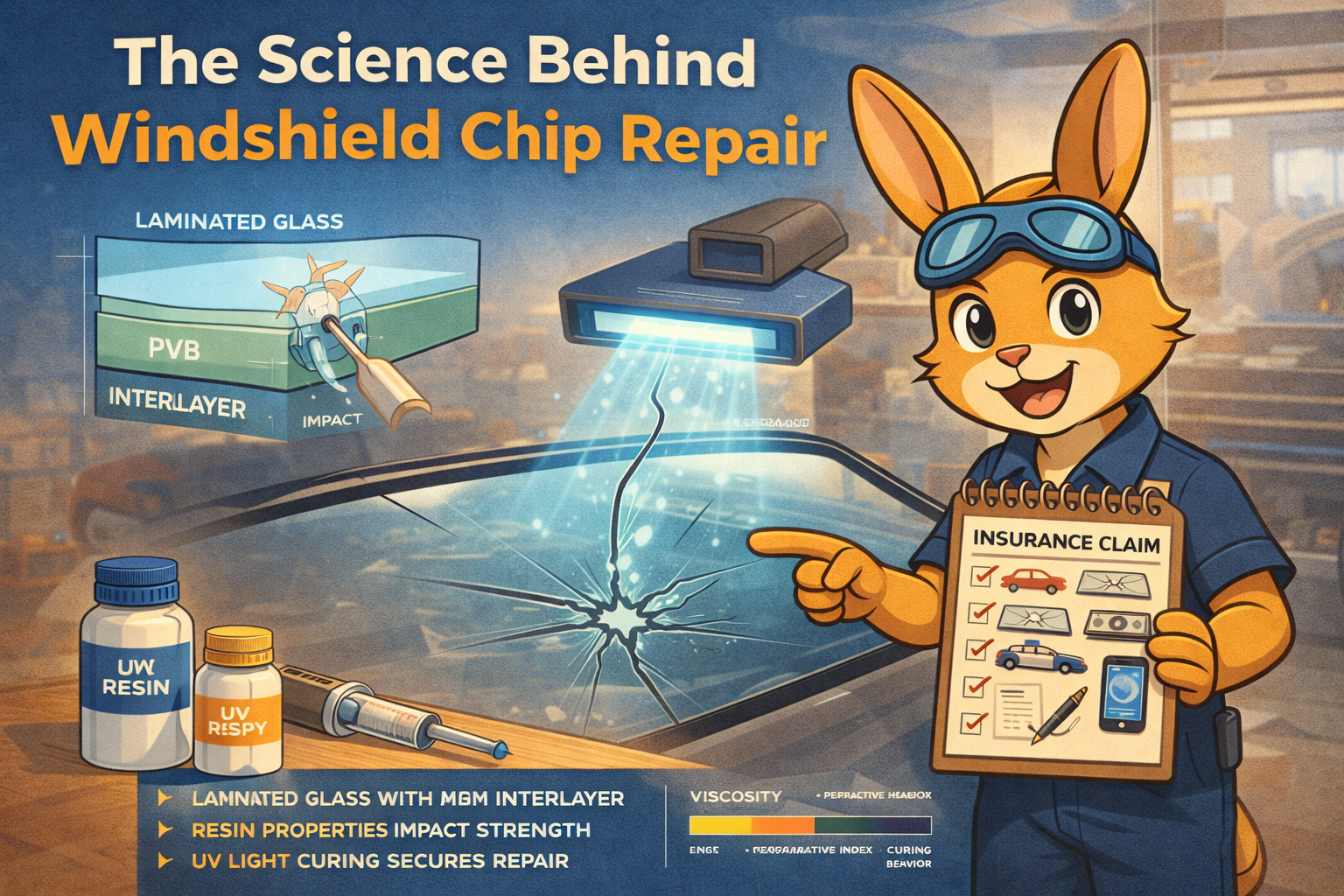
Heat does not just make a chip spread, it can also change how repair resin behaves during curing. High temperatures can shorten working time and make it harder to achieve a clean finish if the process is rushed.
That is why a controlled setup matters. Shade, surface temperature checks, and correct curing procedures help produce a stronger repair that stays stable through Phoenix temperature swings.
Phoenix area testing has shown major differences in how hot vehicle surfaces can get in the sun, which reinforces why environment control matters for repairs. Source, 12News Verify on car surface temperatures in Arizona sun
Step by Step Quick Action Plan for Fast, Quality Chip Repair
Step one, protect the chip right away. Avoid high pressure car washes and avoid slamming doors, both can add stress and help cracks start.
Step two, keep it clean and covered. If you have clear tape, lightly cover the outside of the chip to reduce contamination until you can be seen.
Step three, park in shade when possible, and cool the cabin gradually. Rapid temperature changes can stress the damaged area.
Step four, schedule repair quickly. Most chip repairs take about twenty to forty minutes once the vehicle is in the bay, assuming the damage qualifies for repair.
Choosing the Right Service in Phoenix, Speed, Safety, and Reliability
In Phoenix, the best shop is not the one that promises the fastest fix, it is the one that follows safe, repeatable procedures. Ask what types of damage they repair, what resin system they use, and what warranty is included.
If the chip is in the driver view area, near the edge, or has already started spreading, replacement may be the safer recommendation. A trustworthy shop will explain why, and will not oversell a repair that is unlikely to last.
Frequently Asked Questions
Most chip repairs take about twenty to forty minutes once the vehicle is ready, assuming the damage qualifies for repair. If the chip is contaminated or has started spreading, the technician may recommend replacement instead.
Often yes. The key is shade and surface temperature control. If conditions are too hot or the glass is heat soaked, we may recommend a shaded setup or an in shop repair for best results.
Costs can vary by vehicle and damage type. For repairs, there are usually no added steps. For replacements, calibration for driver assistance cameras may be required and should be included in the quote when applicable.
Repairs can be done year round. That said, milder days can make temperature control easier. In peak summer, fast scheduling matters more because chips can spread quickly in extreme heat.
Replacement is often recommended when damage is in the driver view area, near the edge, longer than typical repair limits, or already spreading. Safety and visibility come first.