
Phoenix Auto Glass Durability Guide
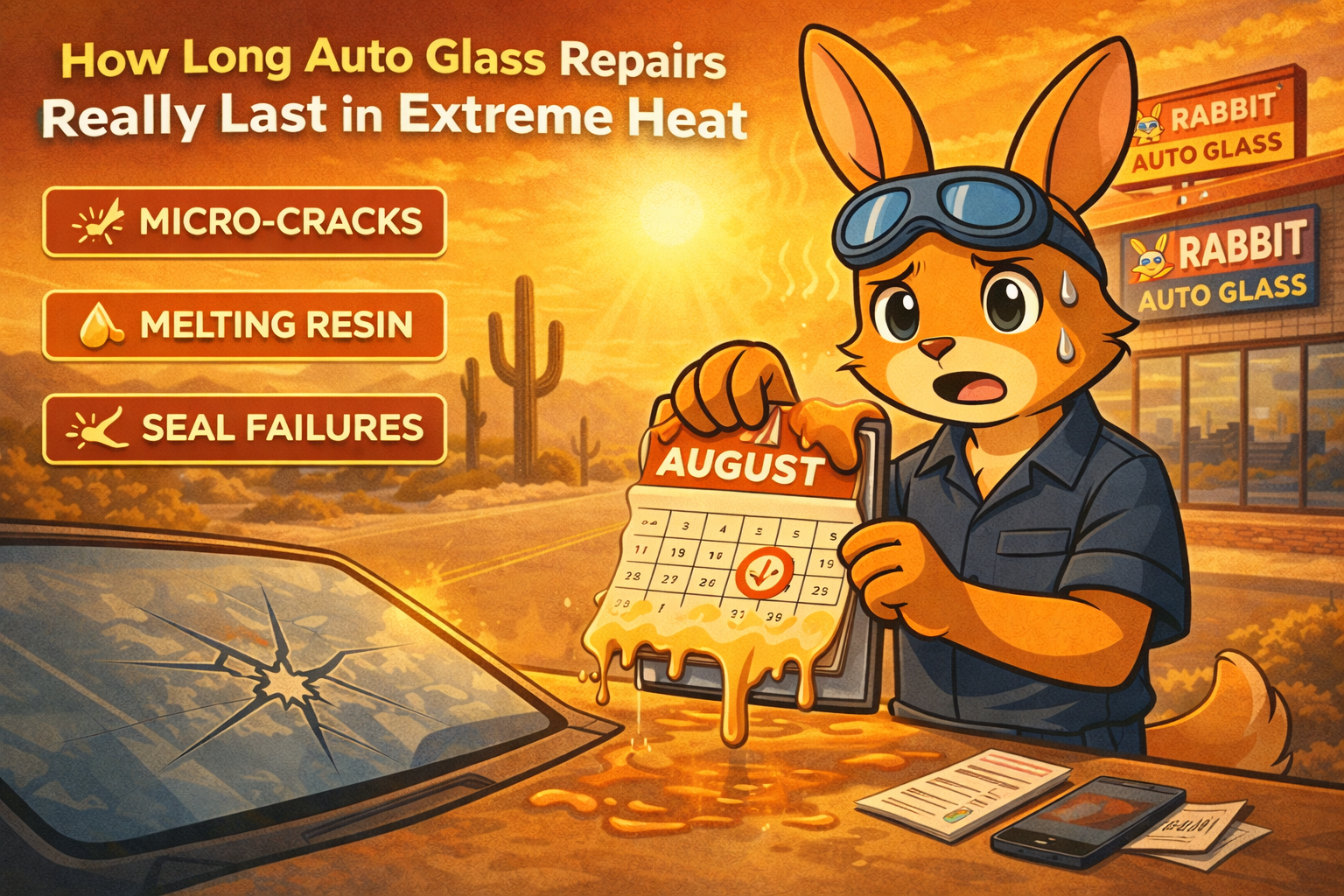
How Long Auto Glass Repairs Really Last in Extreme Heat
At Rabbit Auto Glass of Phoenix, we see firsthand how extreme heat affects windshield repairs over time. High temperatures accelerate aging by stressing bonds, softening resins, and placing extra load on edges and seals. In moderate climates, a quality repair can last for years, but in Phoenix heat, lifespan is often shorter without proper materials, technique, and maintenance. Below, we explain what heat does to repairs, how long they realistically last here, and when replacement becomes the safer option.
What Heat Does to Auto Glass Repair Materials
Extreme heat directly affects the materials used in windshield repairs. Elevated surface and ambient temperatures can accelerate curing, soften certain resins, or reduce long term bond strength if not managed correctly.
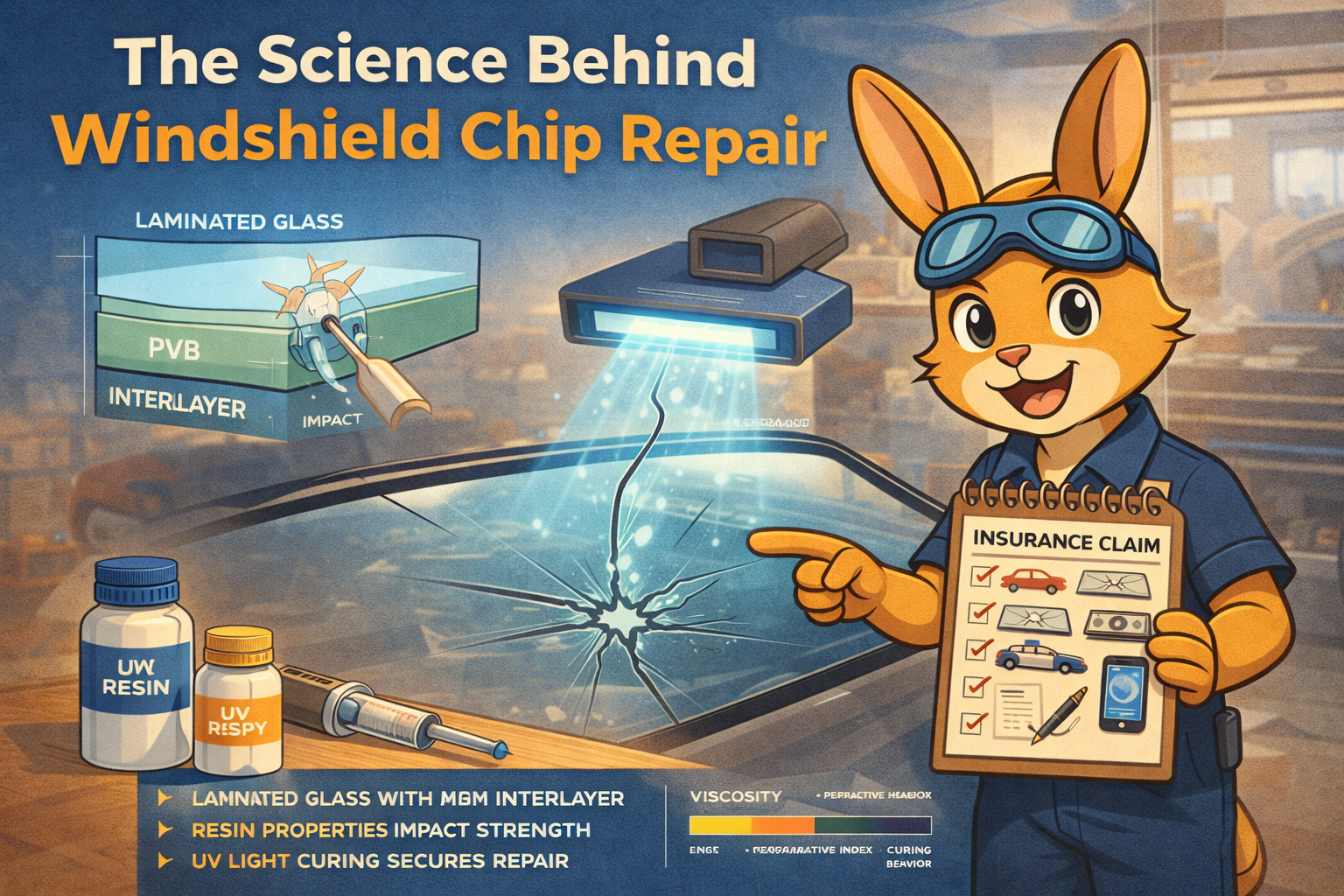
Different repair resins respond differently to heat. Some formulations maintain elasticity under high temperatures, while others become brittle or lose adhesion over repeated thermal cycles. Compatibility between the resin and the laminated glass is critical to reduce internal stress.
As a Phoenix glass shop, we select materials rated for high temperature exposure and control curing conditions to reduce long term degradation.
How Long Repairs Last in Extreme Temperatures
In moderate climates, a properly executed windshield repair can last several years. In extreme heat environments like Phoenix, we often see shorter lifespans due to constant expansion and contraction.
Longevity depends on resin quality, bond strength, installation accuracy, and how the vehicle is used and stored. Vehicles parked outdoors in direct sun typically experience faster aging than those kept in covered or shaded areas.
With proper materials and early intervention, many repairs still perform well, but expectations should be realistic in sustained high heat.
Signs Heat Is Compromising Your Windshield Repair
Heat related failure often develops gradually. Common warning signs include clouding or haze within the repair, widening micro cracks, or distortion visible under direct sunlight.
You may also notice roughness at the repair site, uneven reflections, or separation along the edges. These indicate the bond is weakening and the repair may no longer be structurally stable.
Early inspection allows us to address issues before they spread into full cracks that require replacement.
Practical Ways to Extend Repair Life in Hot Climates
Proper curing and surface preparation are the foundation of long lasting repairs. After service, avoid direct sun exposure for the first day when possible and limit rapid temperature changes.
Parking in shade, using sunshades, and maintaining steady cabin temperatures can reduce thermal cycling stress. Gentle cleaning and avoiding pressure washing near the repair also help preserve bond integrity.
Routine inspections allow us to catch early changes and recommend next steps before damage escalates.
When to Repair vs Replace Heat Damaged Glass
Repair is appropriate when damage is small, stable, and away from edges, and when bond integrity remains strong. In these cases, repair can safely restore function without compromising visibility or structure.
Replacement is the safer choice when cracks approach the edge, bonding shows signs of failure, or repeated heat cycling increases the risk of sudden spreading. Laminated layer damage or seal separation also signals replacement.
Our recommendations are based on safety standards, long term durability, and realistic performance in Phoenix heat.
Frequently Asked Questions
Adhesives and repair resins are the most affected. Heat can soften or weaken bonds over time, especially if the materials are not rated for high temperature exposure.
No. Repaired glass does not self heal, and repeated heat cycling can increase stress and worsen small defects if left unchecked.
It can. Warranty terms vary by provider and material, and extreme environmental exposure may affect coverage. We explain warranty details before service.
We rely on manufacturer data, controlled curing practices, and real world performance observations in Phoenix conditions to guide repair decisions.
Yes. We adjust materials, curing timing, and installation practices to account for heat, UV exposure, and thermal expansion.