
Phoenix Auto Glass Guide
How Fast Windshield Chips Spread in Phoenix Heat
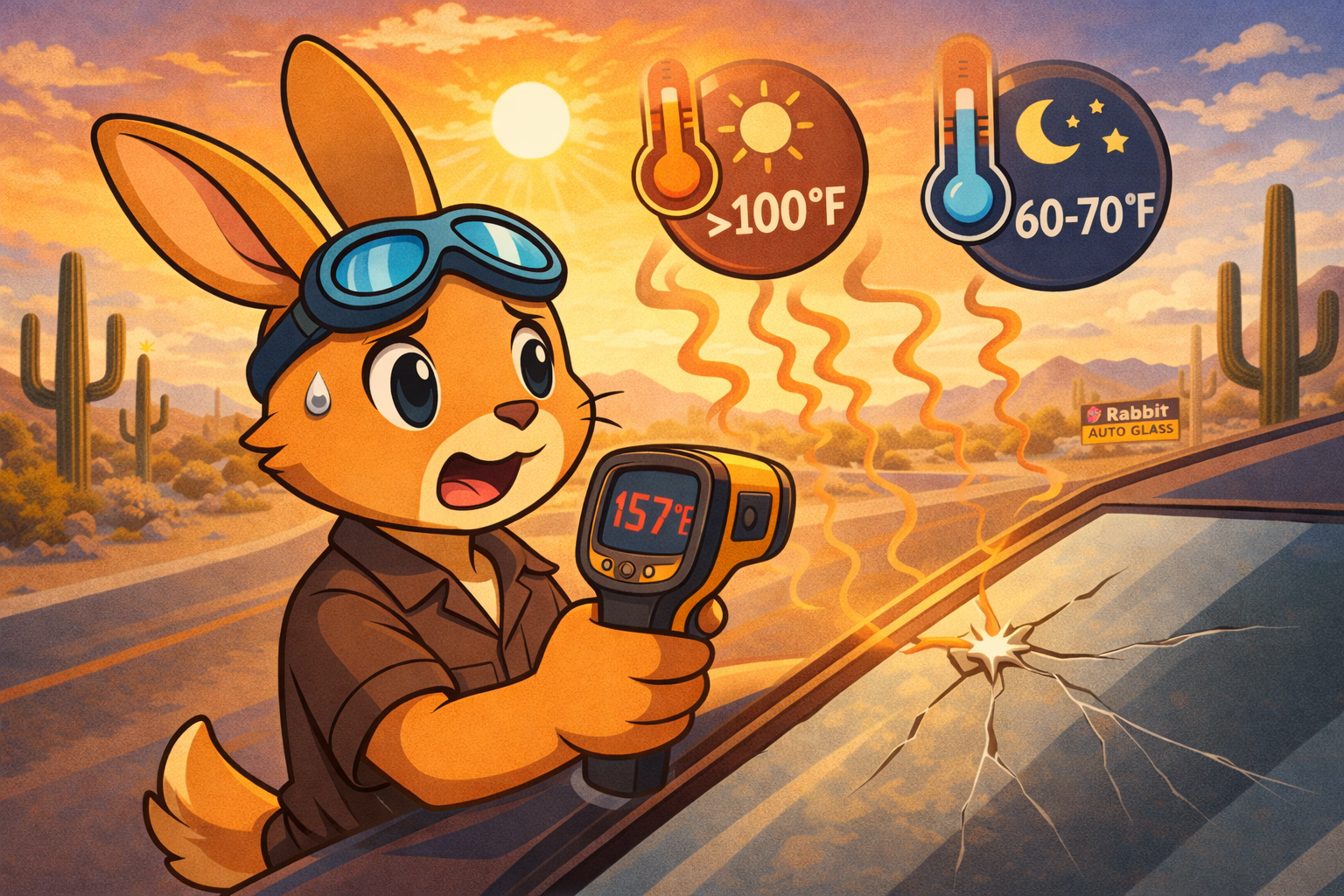
At Rabbit Auto Glass of Phoenix, we see windshield chips spread faster in summer because heat and rapid temperature swings increase stress in the glass. In Phoenix, outside temperatures can climb above 110°F, and the windshield surface can get much hotter in direct sun. Then nighttime cooling, shade changes, and blasting AC can create repeated stress cycles that turn a small chip into a crack. The main takeaway is simple; the sooner you repair a fresh chip, the better your odds of keeping it a repair instead of a replacement.
Why Phoenix Heat Accelerates Windshield Damage
Heat speeds up chip growth because glass expands when it heats up and contracts when it cools down. When that expansion and contraction repeats all day, the damaged area becomes the weak point where stress concentrates.
In Phoenix summer, a windshield can heat far beyond air temperature in direct sun, then cool quickly when you move into shade, turn on AC, or park overnight. That rapid change can help a chip release into a crack, especially if the damage is near an edge or already has tiny legs you cannot easily see.
Vibration adds to the problem. Rough roads, potholes, and closing doors can add small shocks to a chip that is already stressed by heat.
Temperature Changes and Glass Stress Explained
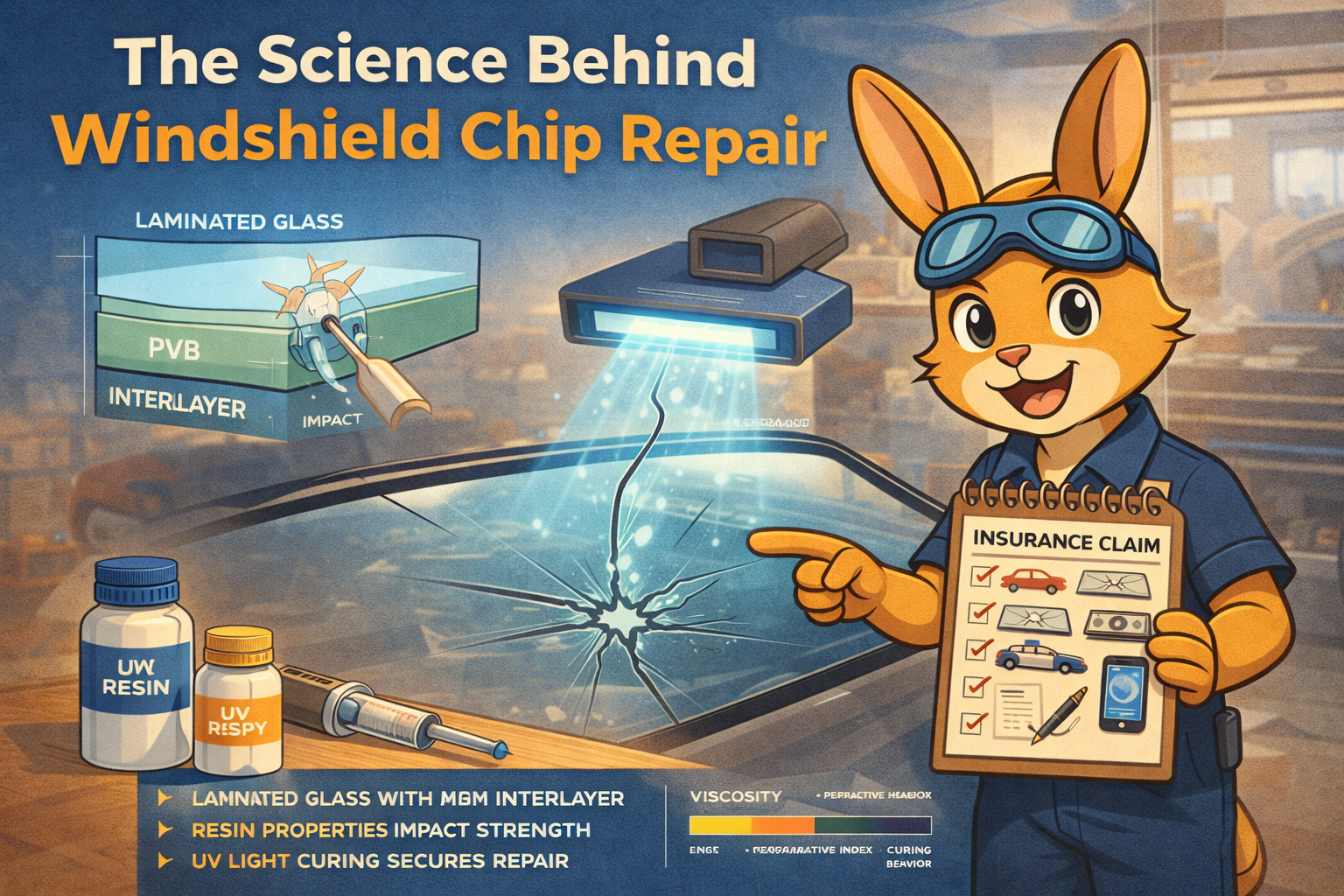
Windshields are laminated glass, meaning two glass layers with a plastic interlayer. When temperatures swing, different layers and areas of the windshield can warm and cool at different speeds. That creates internal stress, and a chip is the easiest place for that stress to release.
The biggest real world triggers we see in Phoenix are quick transitions; parked in full sun to heavy AC, cold water on hot glass, hot defrost on a cool morning, and shade to sun while driving. These are not guarantees that a chip will crack, but they raise the odds.
The Chip Spread Timeline in Phoenix Summer
Some chips stay stable for a while, others turn into a crack the same day. In Phoenix heat, the timeline depends on chip type, location, and how much the glass is stressed.
In general, risk rises when the chip is close to an edge, sits in a curved area, has legs radiating out, or is in the driver view where the glass flexes more. If a crack starts, it can run quickly, especially during the hottest part of the day or right after a sharp temperature change.
If you want the best chance of repair, treat a fresh chip like a time sensitive issue, not a wait and see situation.
Practical Ways to Slow Chip Spread This Summer
Park in shade when possible, use a windshield sunshade, and avoid sudden temperature shocks. If you are getting into a car that has baked in the sun, let the cabin cool down gradually before blasting the coldest setting straight at the glass.
Keep the damaged area clean and do not pick at it. If you have clear tape, covering the chip lightly can help keep dirt and moisture out until you can get it repaired.
Most importantly, schedule a repair quickly. A chip that is still clean and small is far more likely to be repairable than one that has spread or contaminated.
When to Patch, Repair, or Replace
We decide repair versus replacement by looking at size, depth, location, and safety. Many small chips can be repaired if they are not in the driver view and not near the edge.
Replacement becomes more likely when there is a long crack, when damage reaches the edge, when there are multiple fracture legs, or when visibility and structural integrity are compromised. Vehicles with driver assistance cameras may also require calibration after replacement, and we help you plan for that.
If you are unsure, send us photos or stop by. We would rather confirm early than tell you later that it has already spread past repair.
Frequently Asked Questions
They can. Nighttime cooling can change stress in the glass, and chips sometimes crack overnight, especially after a very hot day. The bigger risk is repeated cycles; hot day, cool night, then hot again.
Humidity is usually not the main driver here. Heat, temperature swings, contamination in the chip, and stress near edges tend to matter more. During monsoon conditions, moisture and debris can make a chip harder to repair cleanly if it is left exposed.
Darker vehicles can run hotter inside, which can increase temperature differences when the AC is cranked. It is not a guarantee, but managing heat buildup with shade and a sunshade helps any color.
No. A chip does not truly heal, and sun exposure does not restore strength. Sometimes dirt can fill in a chip and make it look smaller, but that usually makes repair harder, not easier.
In our day to day work, chip location, chip type, and heat stress matter more than the logo on the glass. Any windshield can crack if the chip is near an edge or the glass is stressed enough. The best prevention is quick repair and avoiding sudden temperature shocks.