
Phoenix Auto Glass Guide
Chip Repair in Phoenix, When a Small Chip Becomes a Big Problem
We understand a small windshield chip in Phoenix can quickly become a big, costly problem. Sunlight and heat create stress differentials that push cracks outward, so chips expand faster here. Timing matters: fix small, isolated chips promptly, especially near edges or high-stress zones. Choose a local shop with clear estimates, turnaround times, and warranties. DIY fixes often miss underlying issues, so lean toward professional repair. Stay aware of rapid changes and plan ahead; you’ll see why as you explore the steps ahead.
How Phoenix Sunlight Accelerates Windshield Chips
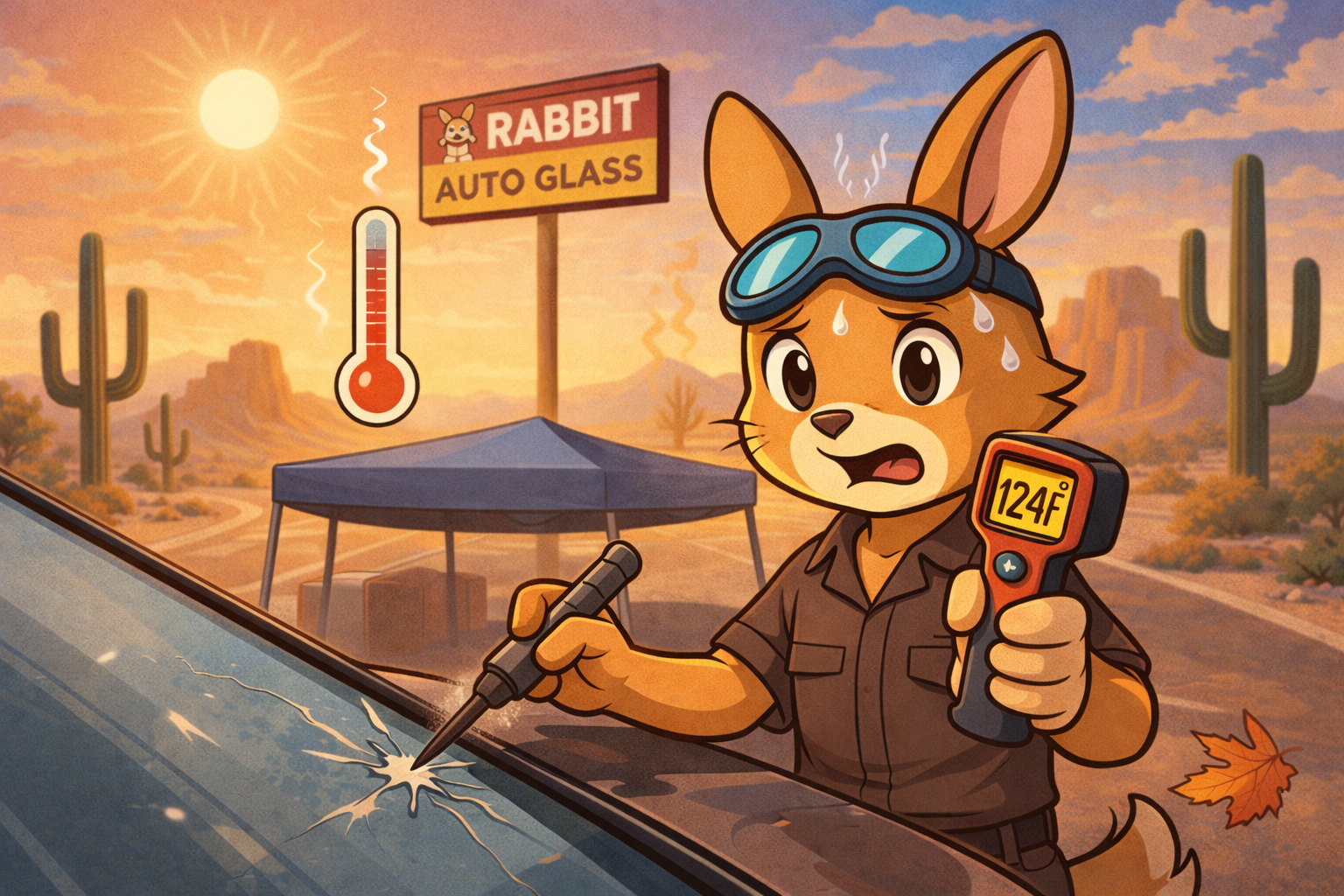
Sunlight in Phoenix can rapidly worsen windshield chips because heat stresses the glass. We see daily patterns where bright sun and high ambient heat push the damaged area to grow.
When sunlight intensity is strong, the outer glass surface can warm quickly while other areas stay cooler, creating stress differentials that encourage microcracks to spread. This expansion isn’t dramatic in every case, but it can accelerate existing damage, turning a small flaw into a larger problem faster than you expect.
Our practical takeaway is plain: avoid unnecessary exposure, park in shade when possible, and limit rapid temperature changes on a chipped windshield. If you notice a crack creeping or a chip widening after sun exposure, document it and seek prompt evaluation to reduce the chance of further expansion.
When to Repair: Timing Your Chip Fix for Best Results
When to repair a chip matters just as much as where it sits on your windshield, because timing can mean a quicker, cheaper fix with a better outcome. We assess urgency by chip size, location, and whether the damage is stable or spreading.
If the chip is small, isolated, and not spreading, addressing it early helps reduce growth and lowers the odds you’ll need replacement later. If it’s near the edge or in a high-stress zone, we prioritize faster action because edge areas are more likely to spread.
Temperature swings, road vibration, and sun exposure can accelerate chip growth, so delaying repairs often increases cost and complexity. High-mileage drivers and frequent commuters typically benefit from earlier intervention.
In short, we monitor size, location, and signs of expansion, then align the service window with safety and budget. Prompt care supports structural integrity and long-term visibility.
Choosing a Local Phoenix Lab: Pros, Cons, and What to Look For
Choosing a local Phoenix shop matters because the right team can save time and reduce the risk of a repair that fails in heat. Start with capabilities: confirm they handle your damage type and ask how they decide between repair and replacement.
Turnaround matters, so request a clear ETA and any limits on same-day service. Reputation counts, so look for consistent experiences and avoid shops that dodge details or won’t put estimates in writing.
Ask about warranty terms and whether they offer post-service support if the repair changes over time. Customer reviews can reveal patterns; notice both praise and recurring complaints, and compare across multiple sources.
Price matters, but never at the expense of proper inspection, safe standards, and clear communication. A shop that explains the plan, provides written estimates, and stands behind the work is usually the safer choice.
DIY Patch vs Professional Repair: What Really Works in Arizona
DIY kits can look convenient, but Arizona heat makes outcomes less predictable if the glass is hot, the chip is contaminated, or the damage has started to spread. DIY approaches often struggle with moisture removal, proper vacuum and pressure cycles, and fully filling microcracks, which can reduce clarity and durability.
Professional repairs typically include a detailed assessment, controlled cleaning and drying, and the right tooling to evacuate air and fill the break more completely. That process helps reduce the chance of visible haze and improves the odds the repair holds through thermal cycling.
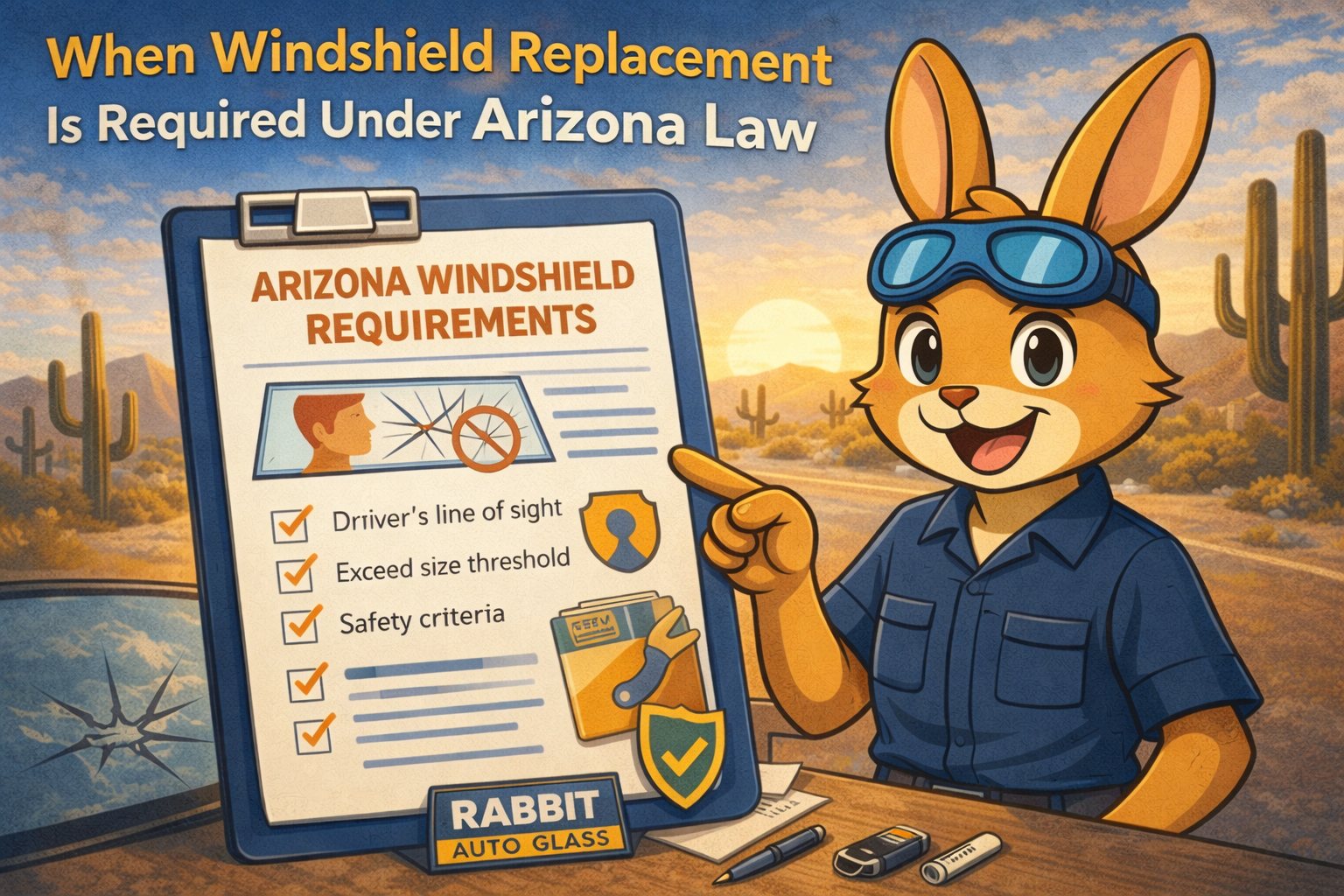
If the chip is near an edge, in the driver’s line of sight, larger than typical repair limits, or shows any cracking, professional evaluation is usually the safer path. The goal is not just appearance, it’s stopping spread and preserving structural support.
What to Expect: The Repair Process and Aftercare in Phoenix
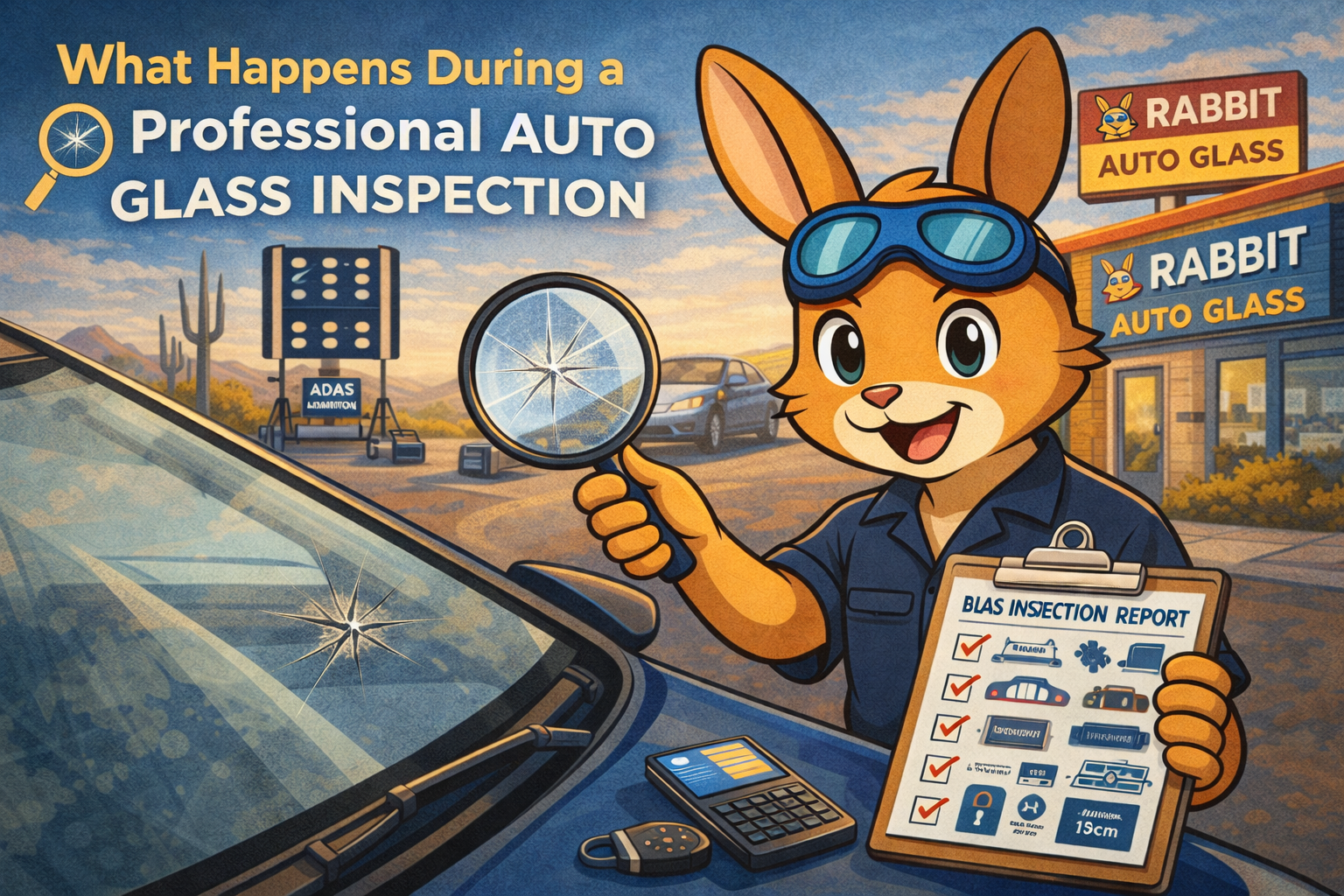
In Phoenix, the repair process starts with a careful inspection and clear expectations. We assess the chip’s size, depth, location, and crack activity, then explain whether repair is likely to hold or if replacement is the safer option.
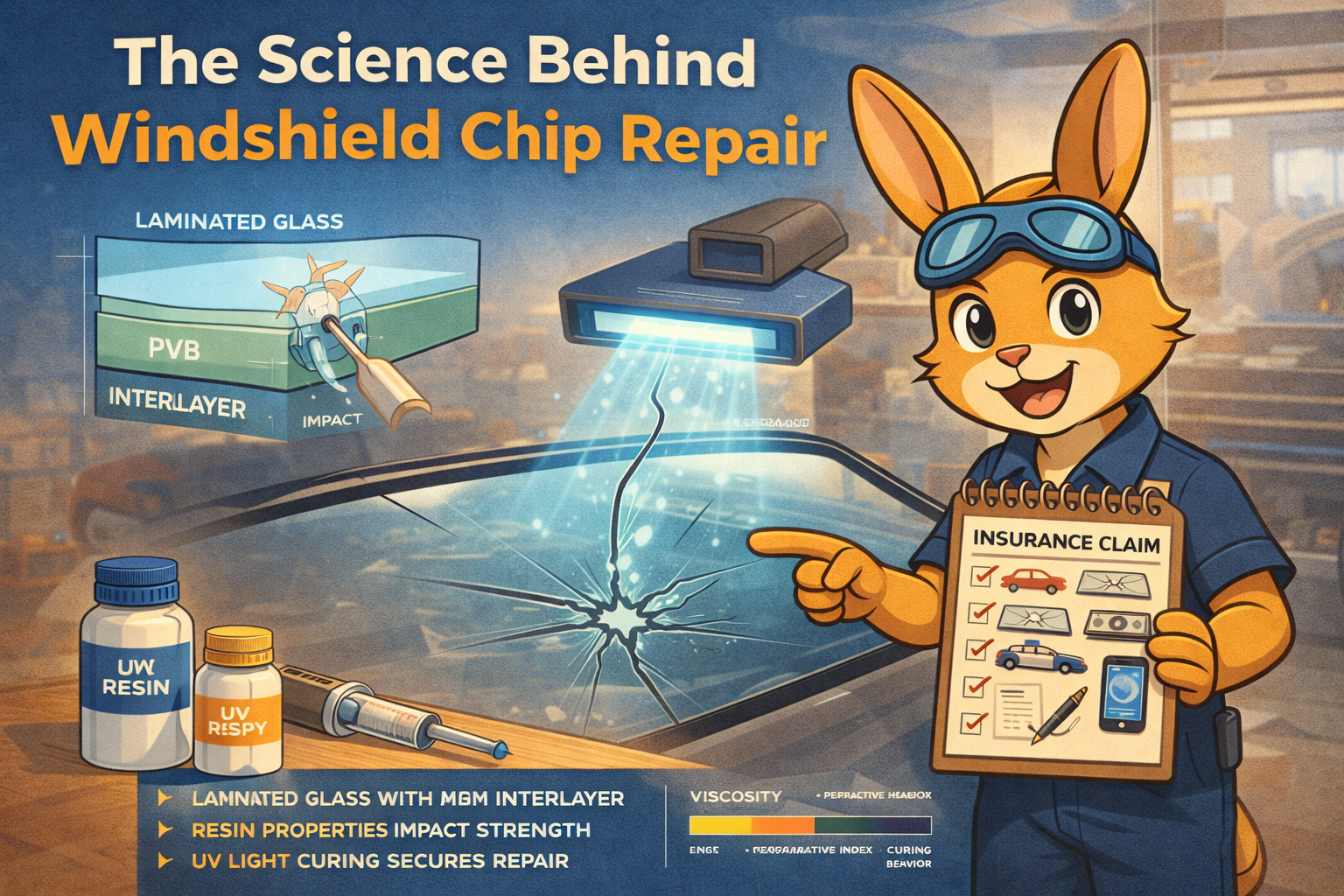
During the repair, we focus on clean handling, contamination control, and proper resin fill and curing. After curing, we level the surface, polish as needed, and confirm the repair meets visibility and safety standards.
Aftercare is simple but important: avoid slamming doors for the first day when possible, avoid blasting extreme hot or cold air directly at the glass, and keep the area clean. If you notice spreading lines, new distortion, or changes in the repair appearance, contact the shop promptly.
A good shop will provide written aftercare guidance and explain warranty coverage and what to do if the damage changes.
Frequently Asked Questions
Chip repairs can reduce visibility of damage, but they are not always invisible. Appearance depends on chip type, depth, contamination, and how much microcracking exists. A proper repair focuses on filling the break and stopping spread, and it often improves clarity, but some faint marks may remain.
They can. Many insurance plans cover chip repair differently than full replacement, and coverage details vary by policy. It’s worth checking whether repair is covered with reduced out-of-pocket cost, and whether replacement has a deductible. A shop can often help you understand what information to gather, but your insurer sets the terms.
Yes. Rapid temperature changes can increase stress in the glass and may encourage cracks, especially near edges. To reduce risk, avoid sudden blasts of very hot or very cold air on the windshield, and park in shade when possible. If you see spreading or new cracking, get it evaluated quickly.
Sometimes. If damage spreads before repair, or if there is additional cracking that was not visible at first, repair may no longer be viable and replacement may be needed. Asking about warranty coverage, recheck policies, and what conditions are excluded helps avoid surprises.
For most chip repairs, you can usually drive shortly after the resin is cured and the surface is finished. In extreme heat, technicians may adjust process timing based on glass temperature and curing behavior, then confirm when it’s safe to go. Follow the shop’s specific guidance, and avoid sudden temperature shocks right after service.