
Phoenix Auto Glass Guide
Can Windshield Chips Be Repaired During Phoenix Summer Heat
Yes, we can repair windshield chips in Phoenix summer heat, but it requires precise control of temperature, resin viscosity, and curing timing. We start with a careful assessment of stress points and edges, then manage ambient and surface temps to keep resin from setting too fast or too slowly. Substrate heat, shielded environments, and real-time cure checks help us avoid cracks or haze. If you keep scrolling, you’ll learn what to expect and how we optimize every step.
What Makes Phoenix Heat a Challenge for Windshield Repairs
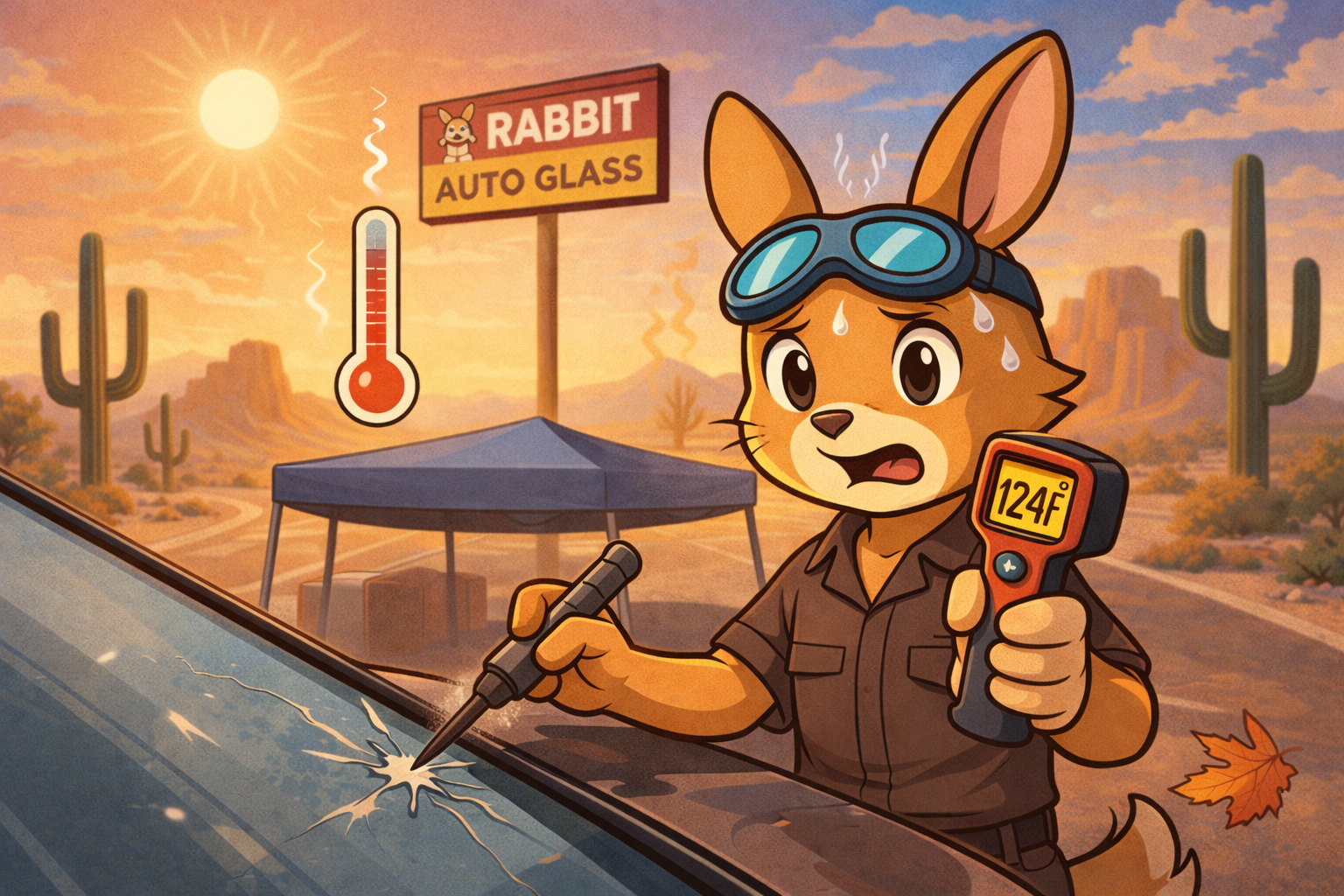
Phoenix’s extreme heat presents real wrinkles in windshield repairs: high temps accelerate resin curing and can cause stress on the glass if the vehicle isn’t prepped properly. We approach each case with a precision mindset, measuring surface temperature and resin behavior to protect windshield integrity.
In Phoenix, summer temperatures push adhesives and fillers toward rapid setting, demanding controlled timing and technique. We align our process to room-temperature norms when feasible, then adjust for radiant heat to prevent under-curing or over-curing, which can compromise strength.
Our initial assessment identifies stress points, edges, and any pre-existing flaws that influence repair strategy. We coordinate pre- and post-cleaning for ideal resin adhesion and minimize temperature swings during curing.
By documenting ambient conditions, surface temperatures, and resin state, we aim for predictable outcomes. Our priority remains durable, transparent repairs that withstand sun exposure and daily driving demands.
How Resin Curing Works in Hot Temperatures
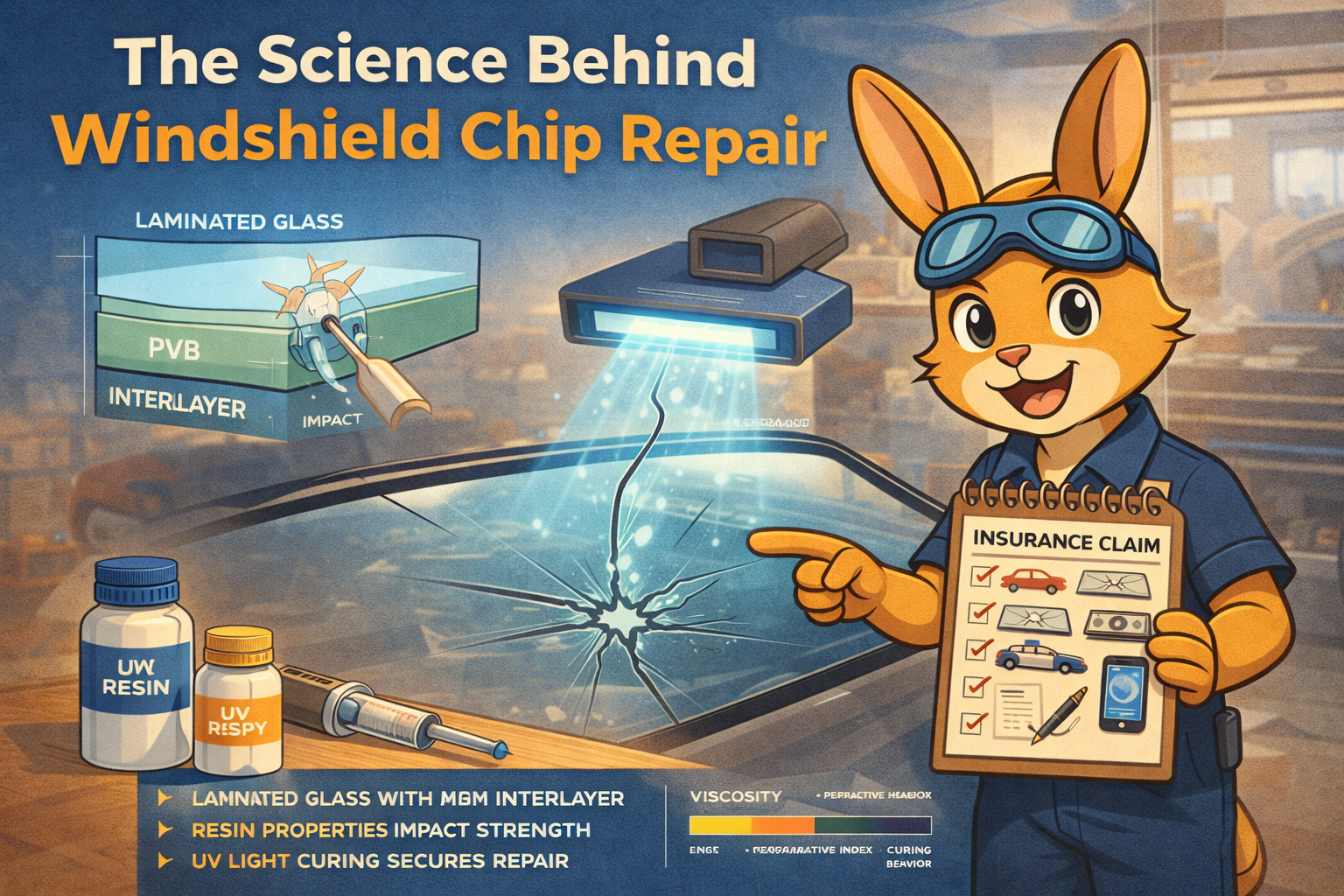
When resin cures in hot temperatures, we see accelerated setting that can outpace our control if we don’t manage heat exposure and resin viscosity carefully. In these conditions, resin curing hinges on resin composition and scheduling.
We monitor ambient and surface temperatures to maintain curing within a predictable window, avoiding premature hardening or incomplete bonding. Temperature effects influence viscosity, swinging between flow and sag, so we adjust vacuum, curing time, and light exposure accordingly.
We prioritize a stable ambient environment, use shields to minimize radiant heat, and pace our application to align with resin chemistry. Our approach blends precision with real-time checks: we assess cure progression, verify surface hardness, and confirm optical clarity before final polishing.
By anticipating heat-driven shifts in viscosity and cross-linking, we reduce variability and improve repair consistency. You receive a reliable outcome because technique is tailored to resin behavior and ambient temperature.
Signs a Summer Repair Will Hold in Extreme Heat
Even in extreme heat, a summer repair should show steady bonding and lasting clarity, provided resin flow and curing timing were controlled from the start. We look for objective markers that suggest the repair will hold under Phoenix conditions.
First, the repair should remain stable, you should not notice widening edges or spreading lines after the work is completed. Second, optical clarity should appear consistent across sunlight and shade, without scattering, haloing, or a dimmed sheen.
Temperature-aware indicators include a cure surface that is not gummy after the final cure phase and a resin hardness that resists softening under heat exposure. Finally, the repaired area should tolerate repeated thermal cycling without fresh cracking.
If these markers are present, confidence in long-term performance rises.
Practical Steps to Optimize a Chip Repair in Peak Heat
To keep a chip repair steady through peak heat, we set up the work for consistent resin flow and timely cure. Surface prep, dust control, and temperature checks reduce variability when ambient temps spike.
We monitor substrate temperature and adjust cure lights to maintain a narrow working window, reducing haze, pinholes, and finish defects. We protect surrounding edges and apply masking to preserve clarity, aiming for a seamless result.
Our process also prioritizes safety and cleanliness, including proper PPE, ventilation, and spill containment. Tools and materials are staged to avoid delays that heat can magnify.
Communication stays direct: we explain what we see, what we are controlling, and what you should expect for appearance and timeline.
When to Delay Repair and Consider Windshield Replacement
We’ll delay a repair or recommend replacement when the damage exceeds practical repair limits. If the chip is larger than a quarter, spans multiple layers, or shows spreading cracks that won’t stabilize with resin, replacement is often the safer move.
In extreme heat, small issues can escalate quickly, so we assess chip size with exact measurements, confirm resin viability, and evaluate the windshield’s structural role. If crack patterns radiate outward, cross layers, or show edge instability, long-term retention may be compromised.
We prioritize replacement when thermal stress threatens safety and visibility, including ongoing crack growth after containment attempts or distortion that affects driving clarity. We’ll walk you through options, costs, and realistic timelines so the final decision stays safety-first.
Frequently Asked Questions
We can’t guarantee every repair during peak Phoenix heat because environmental limits can affect outcomes. We assess chip size, location, and stress factors, then use temperature-aware steps to reduce risk and set realistic expectations. If conditions or damage patterns increase uncertainty, we’ll explain why and recommend the safest option.
Yes, resin performance can vary by formulation, especially in extreme heat. We look for cure stability, UV resistance, and low shrink characteristics, then match resin choice to conditions and damage type to protect clarity and durability.
Driving is often possible soon after a chip repair, but the exact timing depends on cure completion and heat conditions. Your technician should confirm when the resin has fully set and when to avoid introducing stress, like high-speed airflow or sharp temperature changes.
High heat can influence warranty coverage depending on provider terms and documented conditions. We explain coverage and limitations up front and share protective steps, like shaded parking, to help maximize repair longevity in Phoenix summers.
DIY kits are riskier in extreme heat because temperature swings can affect resin flow and curing. Some minor chips may be possible to address, but outcomes vary, and improper technique can worsen clarity or allow cracks to spread. If the chip is near an edge, in the driver’s view, or shows any cracking, professional assessment is the safer choice.