

Phoenix Auto Glass Guide
Auto Glass Repair vs Replacement in Phoenix, How to Know Which You Need
We help you decide whether to repair a small windshield chip or replace the entire pane in Phoenix. We evaluate size, location, and safety standards to determine if a repair preserves visibility or if cracks, bullseyes, or edge damage require replacement. In hot Valley conditions, heat stress often shifts the decision toward replacement for long term reliability. Below, we break down how to choose correctly based on safety, cost, and convenience.
How to Tell if You Should Repair or Replace a Chipped Windshield in Phoenix
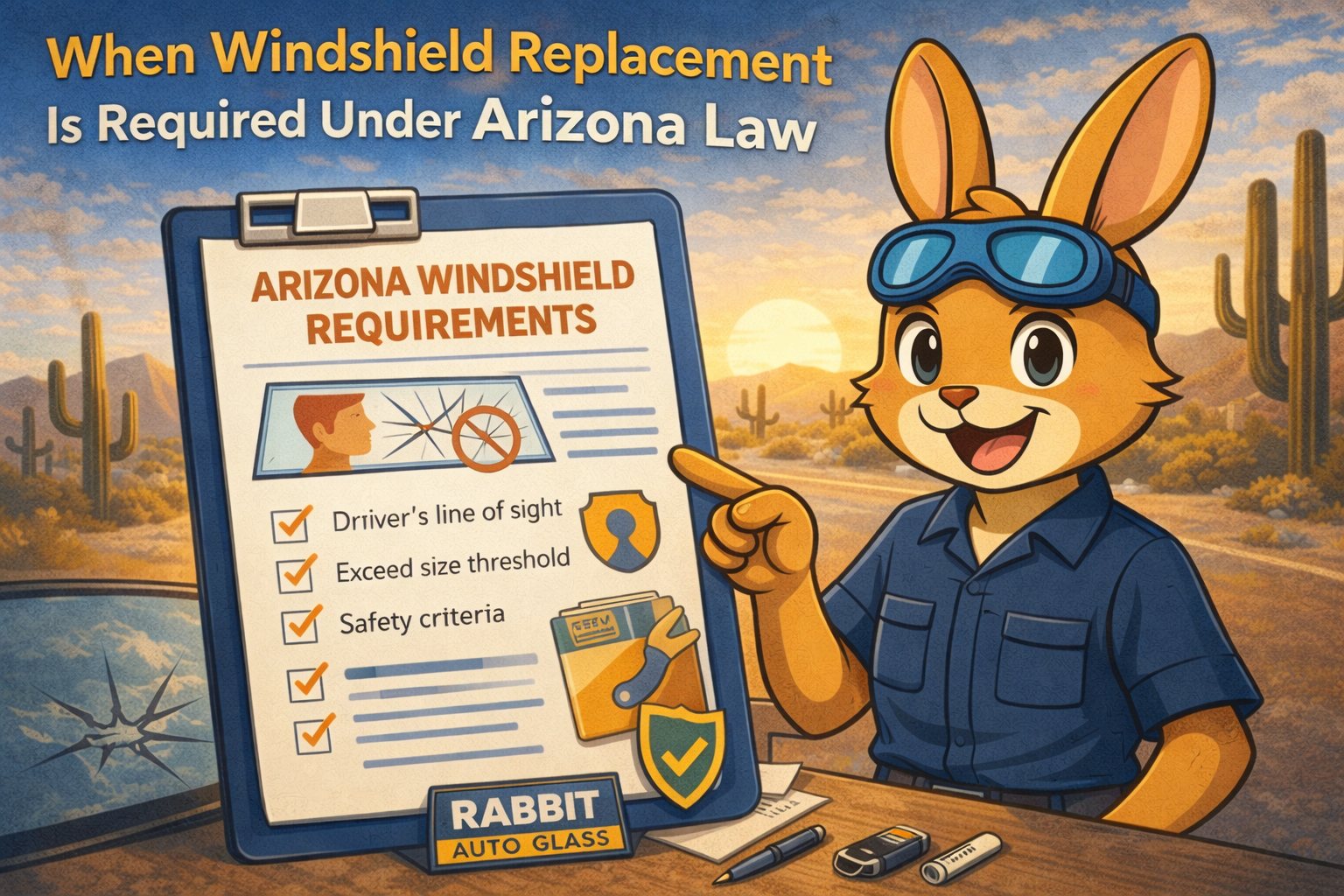
Size, location, and damage type guide whether repair or replacement is appropriate. Small chips under a quarter inch often qualify for repair, while longer cracks usually do not. Location matters just as much. Damage near the edge or in the driver’s line of sight increases the risk of failure and often requires replacement.
Damage type also plays a role. Bullseyes and star breaks may be repairable, but Phoenix heat can worsen stress fractures quickly. Acting early reduces risk and improves outcomes.
If repair is not viable, replacement restores full structural integrity and visibility. We focus on accuracy, not guesswork, so expectations stay realistic.
Factors That Rule In a Repair, Size, Location, and Safety Standards
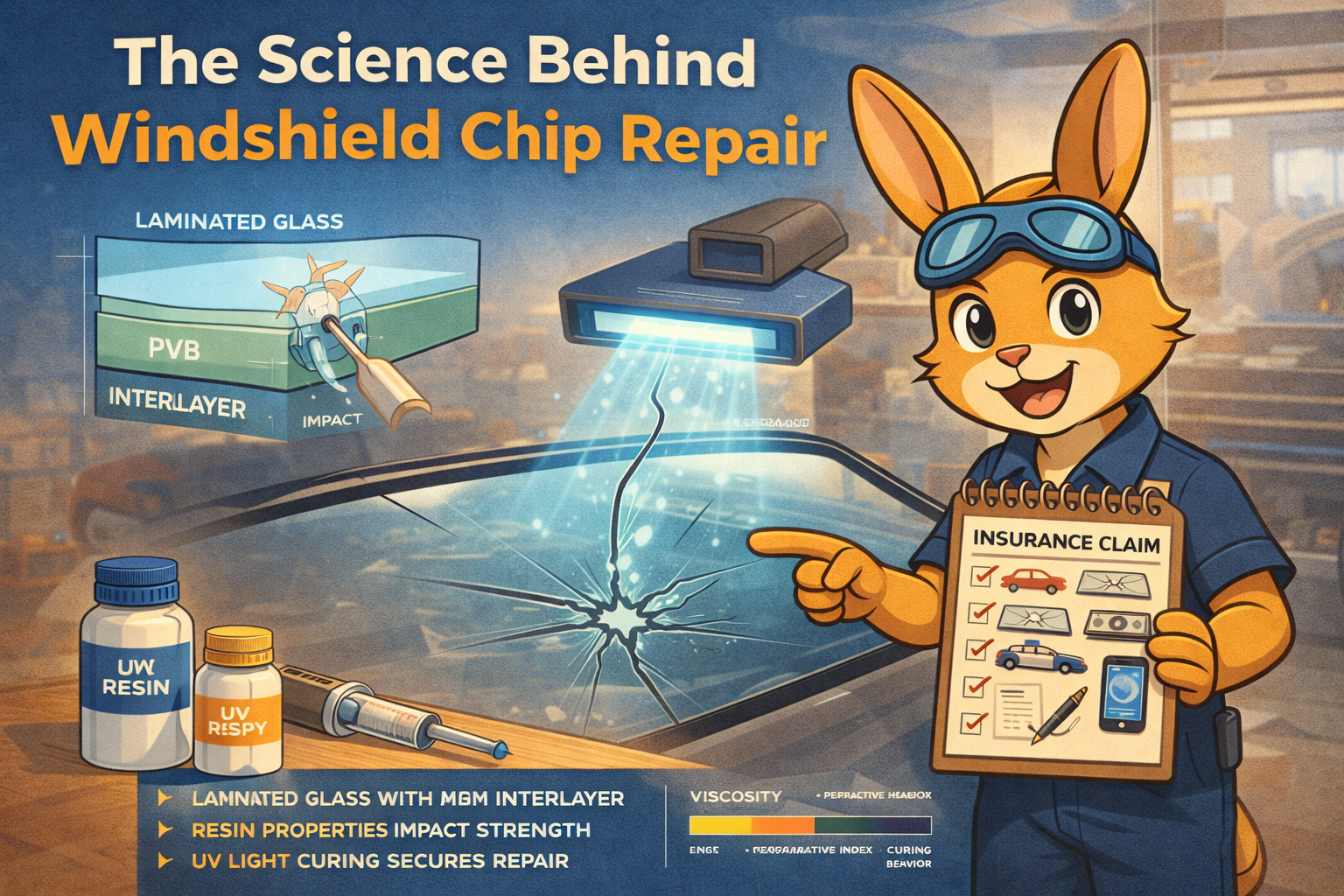
Repairs work best when damage is small, stable, and located away from edges. Chips within the center portion of the windshield are more likely to hold because flexing is reduced.
Chips near curved edges or mounting points are harder to stabilize and often spread. Safety standards require that repairs restore visibility and strength, not just appearance.
Repairs are not invisible and have limits. Recognizing those limits avoids future failure. If standards cannot be met, replacement is the safer choice.
When Replacement Is the Smarter Move in Hot Climates Like the Valley
Phoenix heat accelerates glass expansion and contraction. Larger cracks, edge damage, and visibility obstruction increase the chance of sudden spreading.
Replacement provides uniform glass thickness, factory tolerances, and proper sealing. It also reduces wind noise, leaks, and distortion that repairs cannot correct.
When structural integrity or visibility is compromised, replacement protects both safety and compliance.
How to Evaluate Costs, Time, and Convenience for Repair vs Replacement
Repairs typically cost less and take under an hour, but only when the damage qualifies. Replacement costs more upfront and may require calibration, but often delivers better long term value.
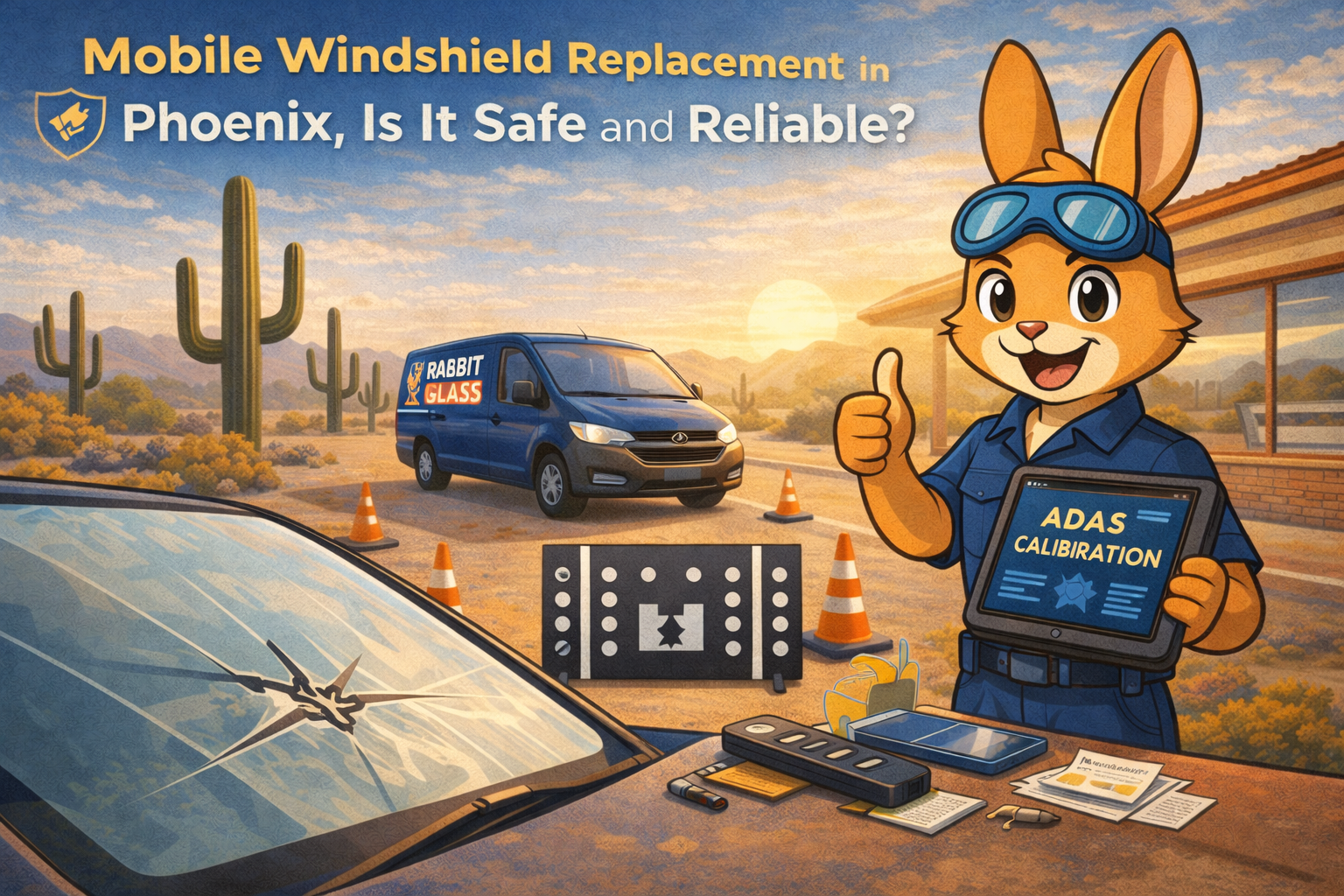
Replacement usually requires a scheduled appointment and may involve ADAS recalibration. Repairs often allow same day completion with minimal downtime.
Choose the option that aligns with safety standards, total value, and how quickly you need the vehicle.
A Practical Decision Framework for Phoenix Auto Glass
Start with damage assessment. Measure size, note location, and evaluate safety impact. Minor chips outside critical zones often qualify for repair.
If damage threatens visibility, spreads, or worsens in heat, replacement is the safer path. Cost and timing matter, but safety always comes first.
Confirm technician capability and warranty terms before proceeding. Long term reliability should guide the final decision.
Frequently Asked Questions
Many policies cover windshield repair or replacement, but deductibles and eligibility vary. Some plans waive deductibles for glass claims. Always verify coverage before filing.
Not always, but many do. Small surface chips may be manageable, while deeper or spreading damage should be inspected to avoid future failure.
Most repairs take 20 to 40 minutes. Heat can affect curing, so technicians may adjust timing to protect repair integrity.
OEM glass usually matches original clarity and fit more closely. Aftermarket quality varies, so certifications and warranty coverage matter.
Park in shade, avoid extreme temperature changes, use gentle cleaners, and inspect repairs regularly to prevent spreading.