
Phoenix Windshield Replacement Guide
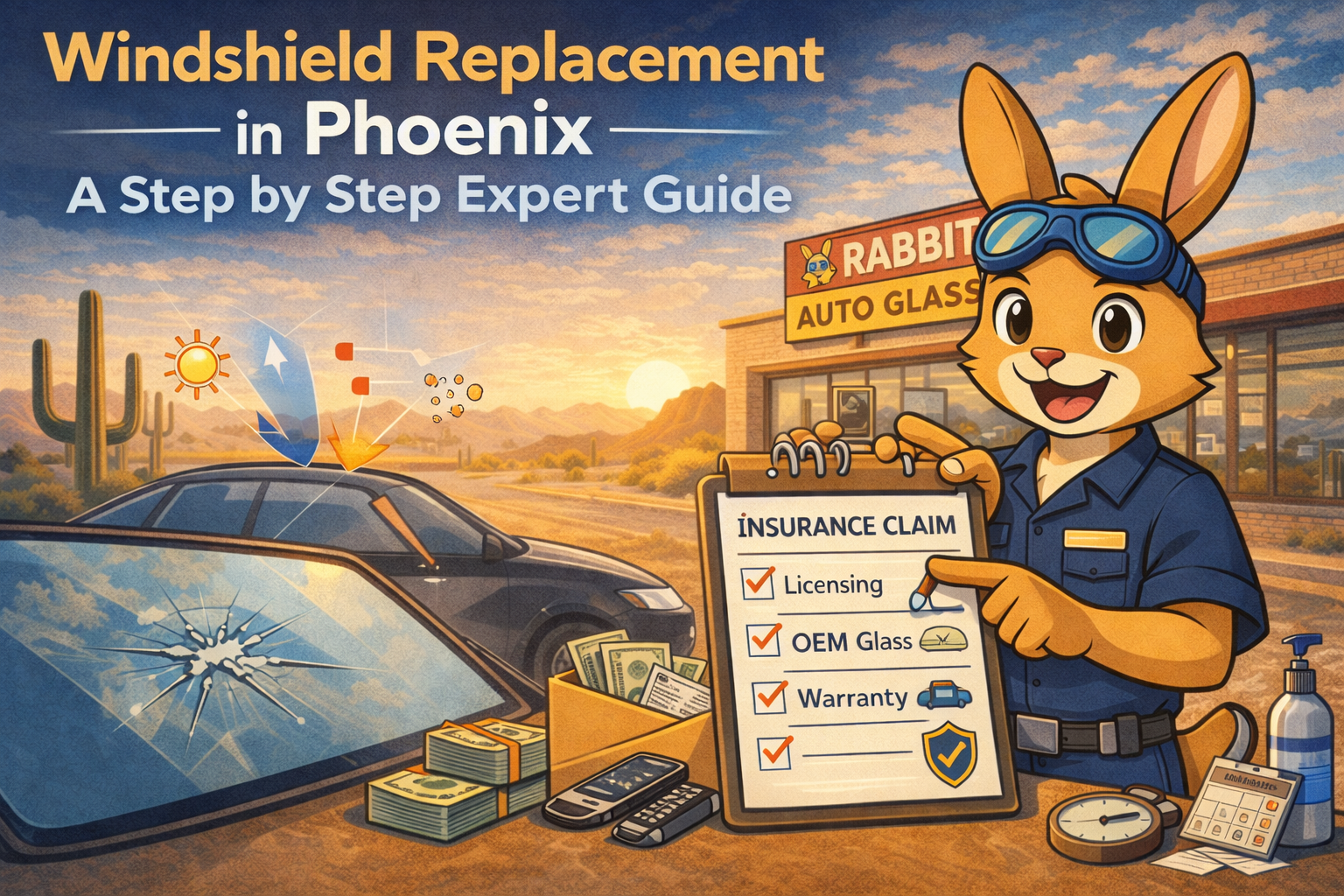
Windshield Replacement in Phoenix, A Step by Step Expert Guide
Phoenix presents unique challenges, including extreme heat, rapid temperature swings, and abrasive desert conditions that directly affect glass, adhesives, and curing. At Rabbit Auto Glass of Phoenix, we guide local drivers through windshield replacement with a safety first, climate aware process. This step by step guide explains how to evaluate damage, choose the right Phoenix shop, understand the installation process, manage costs, and care for your windshield after replacement. By following these steps, you can protect visibility, vehicle safety systems, and long term durability in Arizona conditions.
Why Phoenix Windshield Needs Differ From Elsewhere
Phoenix windshields experience stresses that drivers in cooler climates rarely face. Intense sun exposure, extreme surface temperatures, and constant thermal cycling place additional strain on glass and bonding systems.
Heat accelerates adhesive curing and can reduce working time if materials are not selected and applied correctly. Desert dust and sand also increase abrasion, affecting seals and glass clarity over time.
Because of these factors, windshield replacement in Phoenix requires climate rated adhesives, controlled installation timing, and careful inspection to maintain safety and longevity.
Step by Step Guide to Evaluating a Crack or Chip
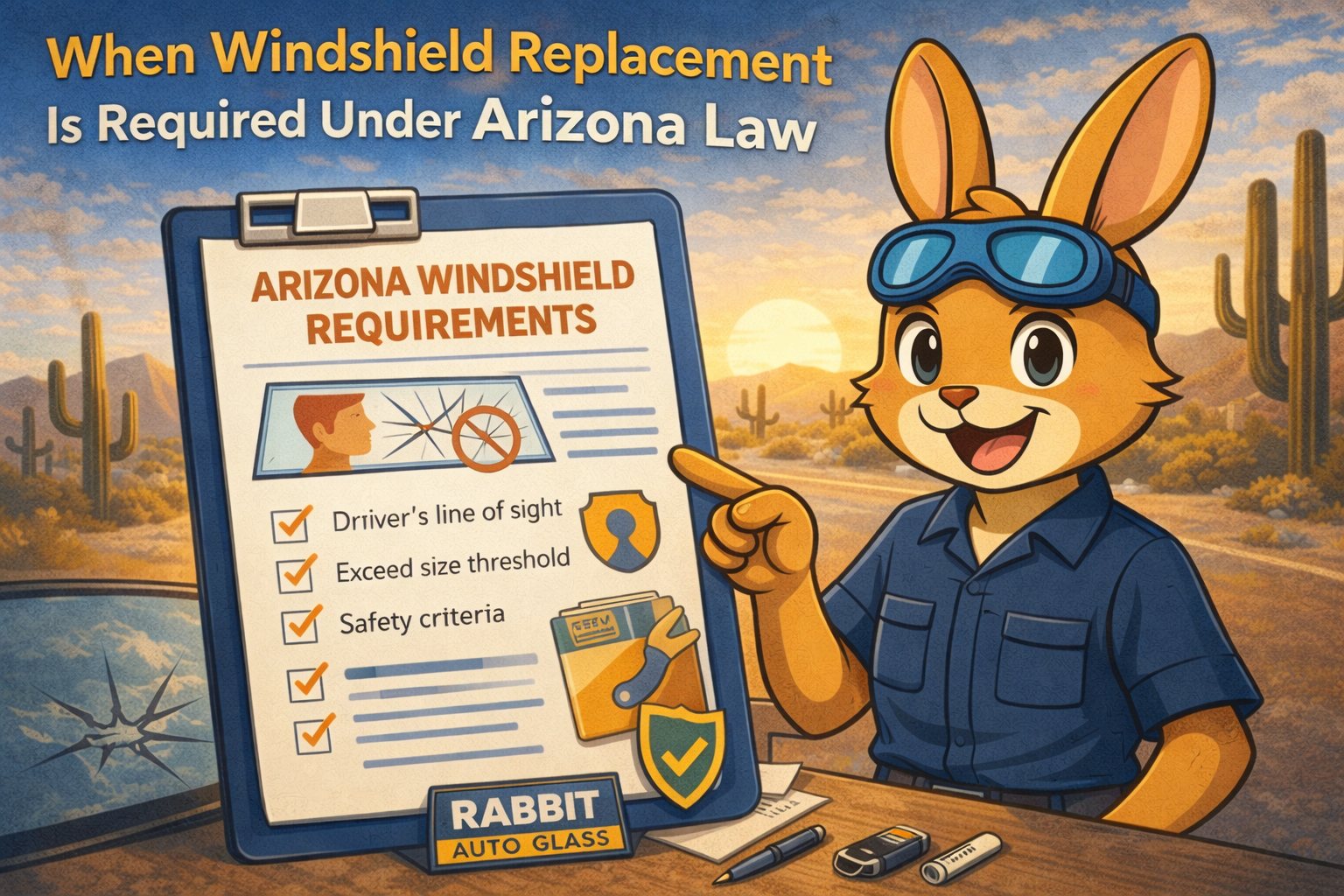
The first step is a visual inspection. Note the size, shape, and location of the damage, especially whether it sits in the driver’s line of sight or near the windshield edge.
Measure crack length and identify chip types such as bullseyes, stars, or combination breaks. Damage near mounting points or edges is more likely to spread in Phoenix heat and often requires replacement.
Moisture intrusion, discoloration, or spreading lines are warning signs. Document the damage early so repair or replacement decisions are based on safety, not guesswork.
How to Choose the Right Phoenix Windshield Shop
Start by confirming that the shop is licensed, insured, and staffed by trained technicians. Proper certification and experience matter more in hot climates where installation errors can surface later.
Look for transparent estimates that clearly separate glass, labor, and calibration when required. A reputable Phoenix shop will explain OEM versus aftermarket options and provide clear warranty terms.
Local reviews, Phoenix specific experience, and willingness to answer questions are strong indicators of quality and accountability.
What to Expect During Installation in Phoenix Weather
Windshield installation in Phoenix requires careful control of environment and timing. Work areas are secured, surrounding surfaces protected, and frames inspected before glass removal.
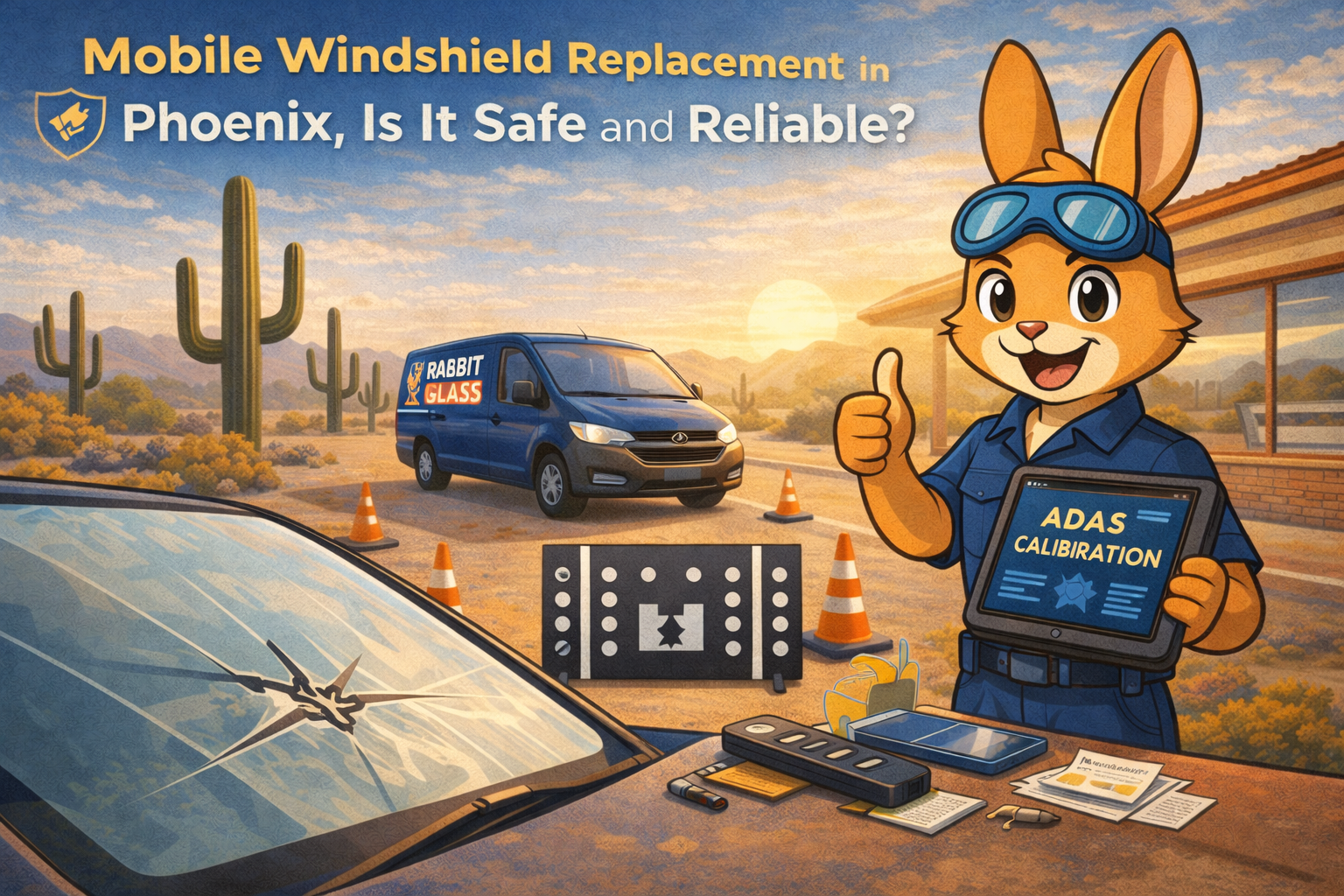
The new windshield is installed using climate appropriate adhesives, with close attention to alignment and bonding. Cure times are adjusted for temperature and sun exposure, and safety systems are recalibrated when required.
Communication during installation matters. You should be informed of progress, curing requirements, and any additional steps needed for long term safety.
Cost, Timing, and Aftercare for Phoenix Drivers
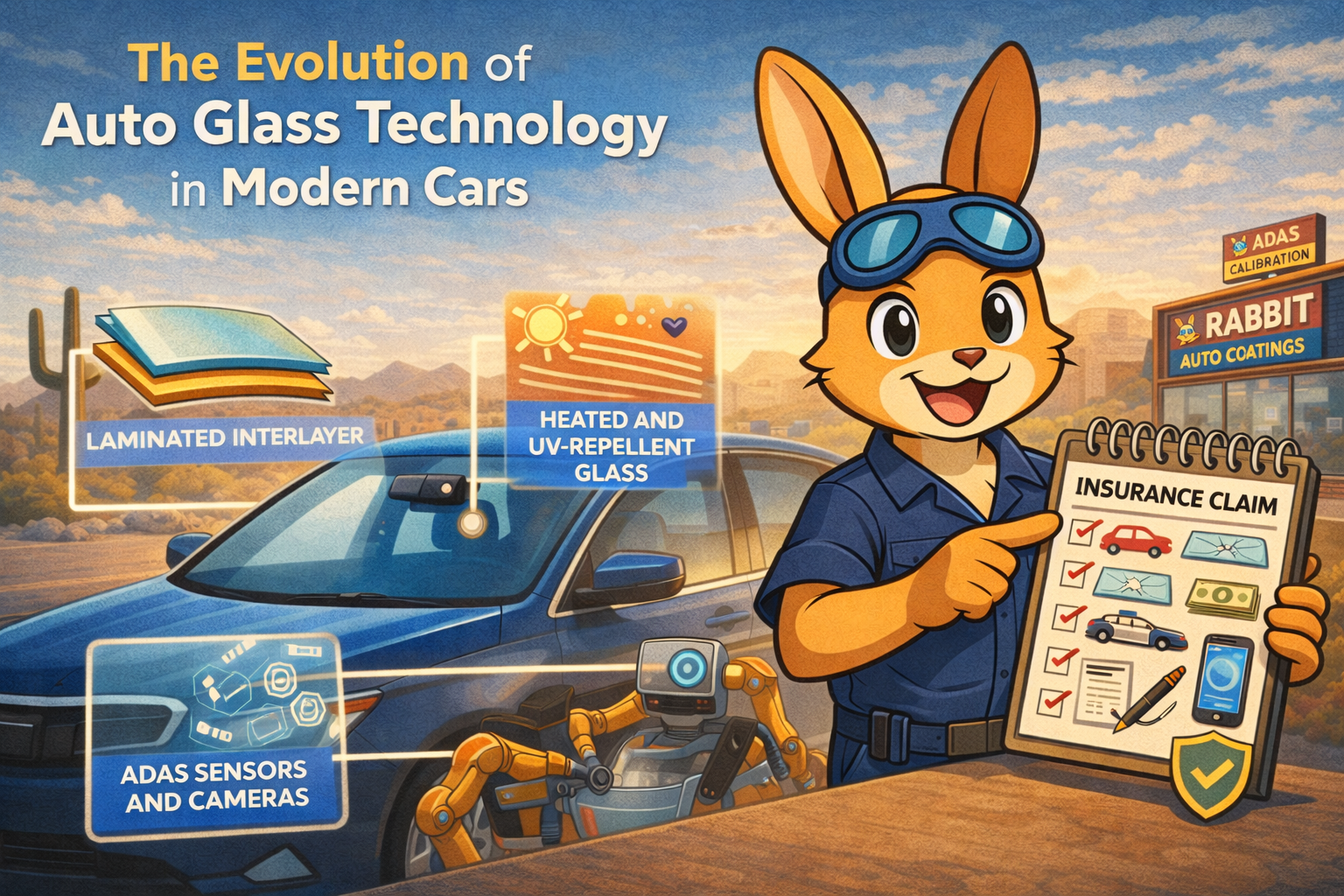
Windshield replacement costs vary based on vehicle type, glass selection, and calibration needs. Insurance coverage may apply, and some Arizona policies include full glass options that reduce out of pocket expense.
Morning appointments are often ideal in Phoenix to reduce heat stress during curing. Most installations are completed the same day, with safe drive away times provided by the technician.
Aftercare includes avoiding pressure on the windshield edges for the first 24 hours, limiting car washes, and monitoring for unusual noise or distortion. Early reporting of issues helps prevent larger problems.
Frequently Asked Questions
Yes. The windshield contributes to structural integrity and airbag performance. Proper installation preserves safety ratings and visibility.
Drive away times vary by adhesive and conditions. Your technician will provide a specific safe drive time based on Phoenix temperatures.
Many policies do. Coverage depends on your insurance terms, and mobile service is often approved when safety standards are met.
Yes. Aftermarket glass is commonly used, but it should be DOT certified and properly calibrated when required.
Maintain good wiper blades, avoid sudden temperature changes, park in shade when possible, and repair small chips early.