
Phoenix Auto Glass Compliance
Arizona Auto Glass Laws Explained for Phoenix Drivers
Arizona windshield rules focus on safety, visibility, and proper installation. We assess cracks and chips by size, location, and impact on strength. Small peripheral flaws may be repairable, but damage in critical zones or compromising visibility calls for replacement. Insurance varies, comprehensive plans often cover glass, with some insurers waiving deductibles for minor chips. Post incident documentation and timely reporting matter for claims. Keep reading for practical steps and best practices for Phoenix drivers.
How Arizona Windshield Safety Standards Work in Practice
Windshield safety standards in Arizona are built to support visibility, strength, and driver protection, and they are applied through practical checks rather than abstract rules. We evaluate a windshield based on observable integrity and documented compliance.
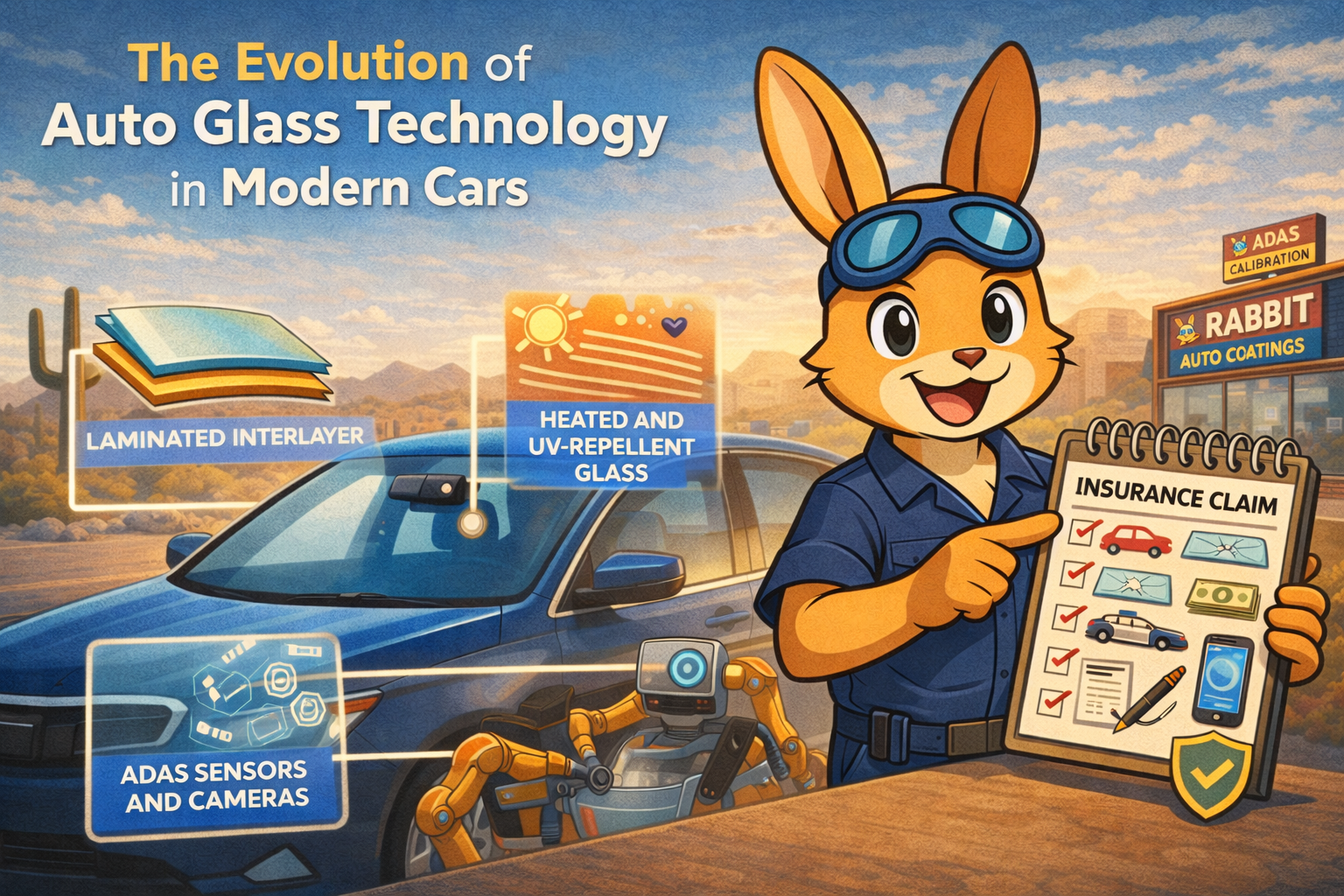
In practice, standards influence installation quality, bonding methods, edge treatment, and, where applicable, sensor integration. Inspections and quality checks typically focus on visible damage, sealant condition, and mounting stability as indicators of passenger protection.
Following these standards helps reduce glare issues, structural compromise, and potential interference with safety systems. The goal is consistent visibility and reliable performance over time.
When You Must Replace vs Repair After a Crack or Chip
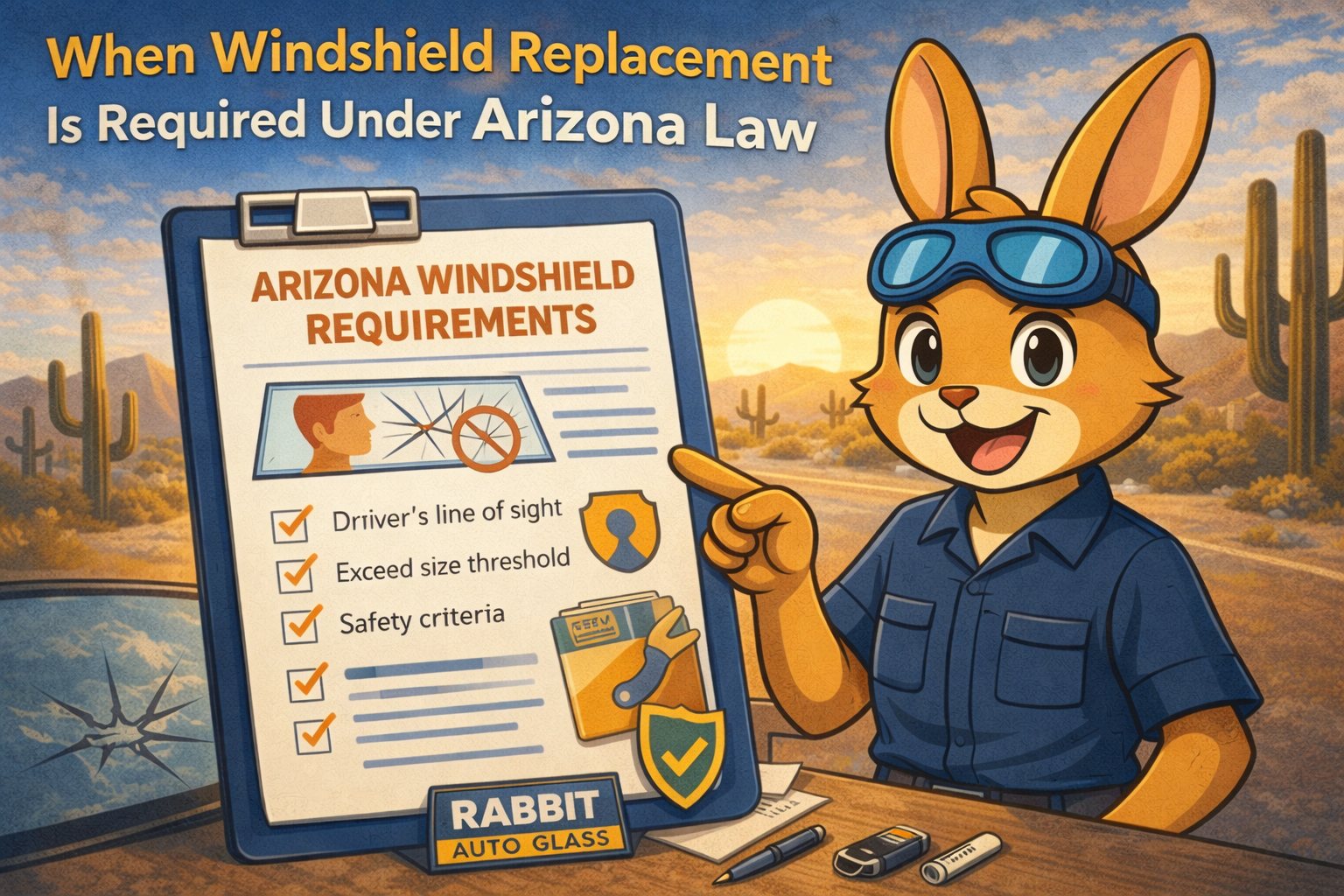
When a crack or chip occurs, the right solution depends on size, location, and safety impact. We assess damage severity by measuring length and spread, and by checking whether it interferes with the driver’s line of sight.
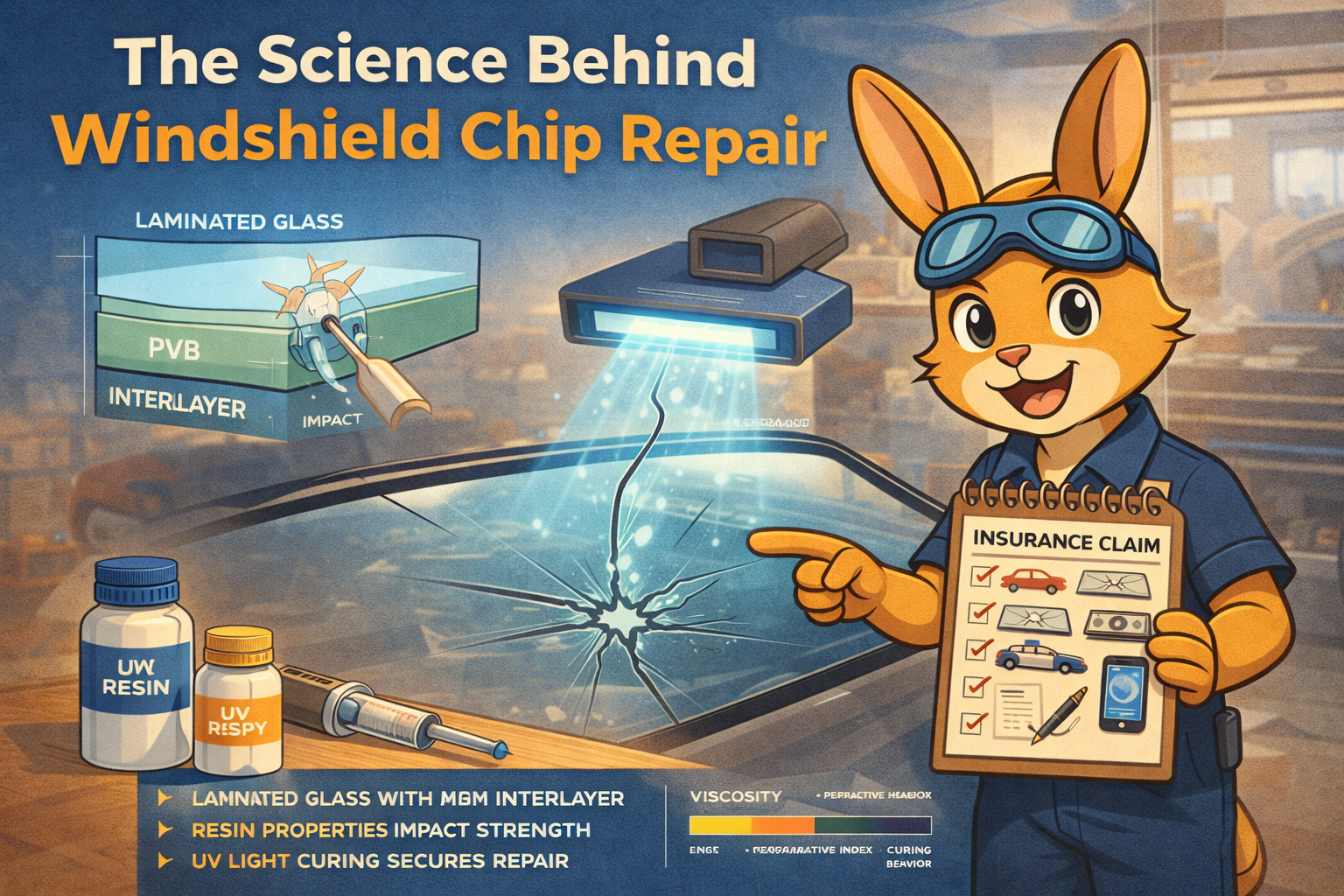
Small, peripheral imperfections may be eligible for repair, especially when they are stable and not near edges. Damage that extends into critical zones, spreads quickly, or weakens the glass structure is more likely to require replacement to restore safety and clarity.
We discourage do it yourself fixes for structural cracks. A licensed technician can confirm whether repair or replacement best protects vehicle integrity and safety.
Understanding Insurance Coverage and Claim Timing in AZ
Coverage and claim timing depend on your insurance plan. Comprehensive policies often help cover glass damage, while liability only plans typically do not. Deductibles vary, and some carriers reduce or waive deductibles for certain repairs based on policy terms.
Before scheduling service, verify whether your deductible applies, whether coverage differs for repair vs replacement, and whether your policy has vendor requirements. Filing promptly can help reduce delays, especially if the damage worsens.
Document the damage immediately and follow your insurer’s claim process, including any notice timing, photo requirements, and repair authorization steps.
Post Accident Inspection and Proof, What Matters
After an incident, strong documentation reduces disputes and speeds up claims. Take clear photos of the windshield damage, note the location and time, and capture any relevant context such as road conditions or debris source if known.
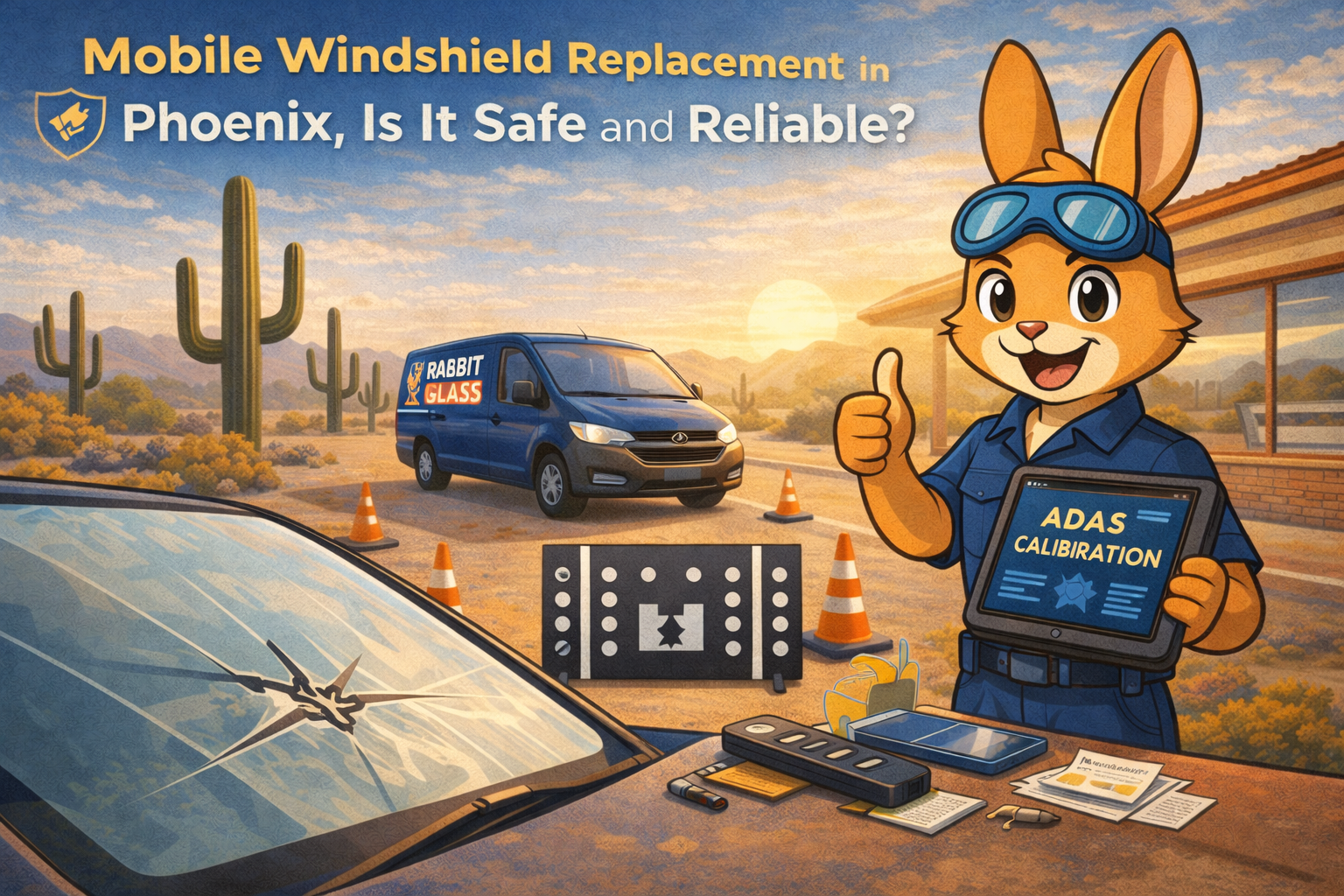
Insurers often request an inspection summary that includes damage location, severity, and whether repair or replacement was performed. Save receipts, warranty details, and any calibration documentation if your vehicle has camera based systems.
Keep communication factual and avoid speculation. Following deadlines and keeping a simple record trail helps protect your claim and your vehicle’s service history.
Common Mistakes and Best Practices for Phoenix Drivers
Common mistakes often come from rushing decisions before verifying coverage and safety requirements. Start by confirming whether the damage affects visibility or safety, then verify what your policy covers.
Best practices include reporting damage quickly, documenting everything, choosing reputable technicians, requesting written warranties, and keeping service records for future claims or inspections.
Avoid assumptions like all chips are repairable or every claim will be deductible free, policy terms and damage conditions determine what applies.
Frequently Asked Questions
Shops should follow applicable licensing and industry standards for auto glass work. Ask about technician training, certifications, warranties, and whether they document installation steps and results for your vehicle.
Windshield tint rules can be strict because visibility and glare control matter. Before adding tint, confirm what is allowed for your vehicle type and use case, and verify any exceptions with a qualified shop or the appropriate authority.
DIY kits can help with very small chips, but results vary and may not restore structural integrity. If the chip is in the driver’s view, spreading, or near an edge, professional service is the safer choice and may better support insurance needs.
Responsibility depends on the rental agreement and any insurance coverage you selected. Report damage promptly, document it, and follow the rental company’s process for claims and authorized repairs.
School vehicles are commonly subject to additional inspection and safety requirements. Operators should address windshield damage promptly and use approved materials and procedures to remain compliant and safe.